The Significance of Unfinished Skateboard Decks

Intro
As the skateboarding landscape continues to evolve, enthusiasts find themselves drawn to the intricate world of unfinished skateboard decks. These raw, unrefined products represent not just a stage in the production line but also a canvas for creative expression. For many skaters, these decks are more than mere equipment; they embody a lifestyle, a statement of individuality.
Unfinished skateboard decks are characterized by their lack of graphic designs or protective coatings, allowing for a multitude of customization possibilities. This article dives deep into this niche, covering the significance and implications of unfinished decks in the wider skateboard culture.
From discussing the materials and techniques involved in their creation to examining their environmental footprint, we shed light on an often-overlooked aspect of skateboarding gear. This exploration is not solely for manufacturers and suppliers; it caters to skaters of all skill levels, instructors, and even retailers looking to understand the choices available. By the end of this piece, one could appreciate how unfinished decks not only facilitate performance on the board but also serve as a medium for personal artistry in skate culture.
Let’s embark on this journey into the world of unfinished skateboard decks, where craftsmanship meets creativity, and function intertwines with artistic freedom.
Understanding Unfinished Skateboard Decks
Unfinished skateboard decks occupy a unique niche within the skateboarding world, bridging the gap between bare craftsmanship and personal expression. They represent more than just the platform for performing tricks; they are a canvas for artistic exploration and a testament to individual style. Skateboard enthusiasts often gravitate toward these unfinished decks for several reasons. The chance to customize them enhances the personal connection to the board, making each piece distinct. Moreover, unfinished decks appeal to those who appreciate the craftsmanship involved in skateboarding. They want to understand the core aspect of what their board is made of before adding their flair.
Definition and Characteristics
Unfinished skateboard decks are essentially raw wooden boards that have not undergone any finishing processes, such as painting or sealing. This state provides an unaltered glimpse into the materials and craftsmanship involved in skateboarding. A defining characteristic is the wood itself, often made from hard maple or other durable woods known for their strength and flexibility. This is crucial for skaters, as the type of wood directly influences performance, durability, and even the feel of the board while skating.
The Crafting Process
The crafting process of unfinished skateboard decks is a meticulous art that involves careful selection of materials and expert techniques during production. Skaters interested in the origins of their gear find this process fascinating, as it reveals how a simple piece of wood transforms into a dynamic skateboard.
Material Selection
Material selection plays a pivotal role when it comes to unfinished skateboard decks. Most decks are crafted from high-quality maple wood, specifically chosen for its balance of strength and agility. Maple's resilience allows skaters to perform tricks without compromising the deck's integrity, ensuring longevity with regular use. Additionally, some brands experiment with alternative woods, such as bamboo or birch, enhancing flexibility while maintaining strength.
- Key Attribute: Maple's unique blend of toughness and lightness makes it the preferred option for many.
- Benefit: It offers outstanding pop, which means riders can achieve a better lift off the ground while doing tricks.
- Downside: Less commonly used woods may not provide the same level of durability or performance as maple, thus affecting the overall skating experience.
Manufacturing Techniques
Manufacturing techniques utilized in crafting these decks greatly influence their characteristics. Generally, the majority of skateboard decks are produced using compression molding or veneer layering. These methods ensure the wood's fibers align for optimal strength, granting the finished product superior resilience and flexibility.
- Key Trait: Compression molding allows for creating decks that are uniform in shape and quality.
- Advantage: This technique results in decks that can withstand the rigors of street skating while still being light enough for tricks.
- Drawback: Some skaters argue that mass-produced decks may lack the individuality associated with hand-crafted versions, which can cater to a more personal skating style.
Quality Control
Quality control is an essential final step in ensuring that each unfinished skateboard deck meets specific standards. This process checks for flaws in the wood, measurements, and overall finish before the deck is released to the market. By maintaining strict quality control, manufacturers can guarantee consistency in each product, enabling skaters to trust the performance of their gear.
- Main Feature: Routine inspections help identify any manufacturing flaws early on, ensuring that only the best products reach consumers.
- Benefit: High quality decks directly correlate with better performance and longevity.
- Possible Limit: Stricter quality controls may increase production costs, which in turn could affect the price for consumers.
Understanding each aspect of unfinished skateboard decks—from materials to the crafting process—helps enthusiasts appreciate the depth of their passion. This knowledge not only enhances their connection to skateboarding but also serves as a guide for making informed choices when selecting decks.
The Significance of Unfinished Decks
Unfinished skateboard decks hold a crucial spot within the skateboarding culture and landscape. The significance of these decks goes beyond their basic function as a rideable surface; they serve as a canvas, a platform for personal expression, and an entry point to the art of customizing skateboards. Essentially, they embody the spirit of skateboarding itself—freedom, creativity, and individuality.
Cost-Effectiveness
One of the most appealing facets of unfinished skateboard decks is their cost-effectiveness. For skaters and enthusiasts on a budget, completed decks can be pricey. Unfinished variants often come at a fraction of the cost without compromising on performance.
By choosing an unfinished deck, skaters get the chance to save some bucks while enjoying flexibility in personal choice. They can splurge their savings on quality wheels or trucks instead. This economic factor makes unfinished decks particularly attractive to beginner skaters who might not want to invest heavily in a fully finished skateboard right away.
In the long run, opting for these decks often proves beneficial. Skaters can either make their customizations gradually or reshape their boards as their skills develop. In the fast-paced world of skateboarding where wear and tear is almost a given, having a more affordable option like this makes a lot of sense.
Customization Potential
Customization is the lifeblood of skateboarding. Unfinished decks open the door wide for personal creativity. From DIY designs to elaborate artworks, customization becomes an extension of one’s personality.
Personal Artistic Expression
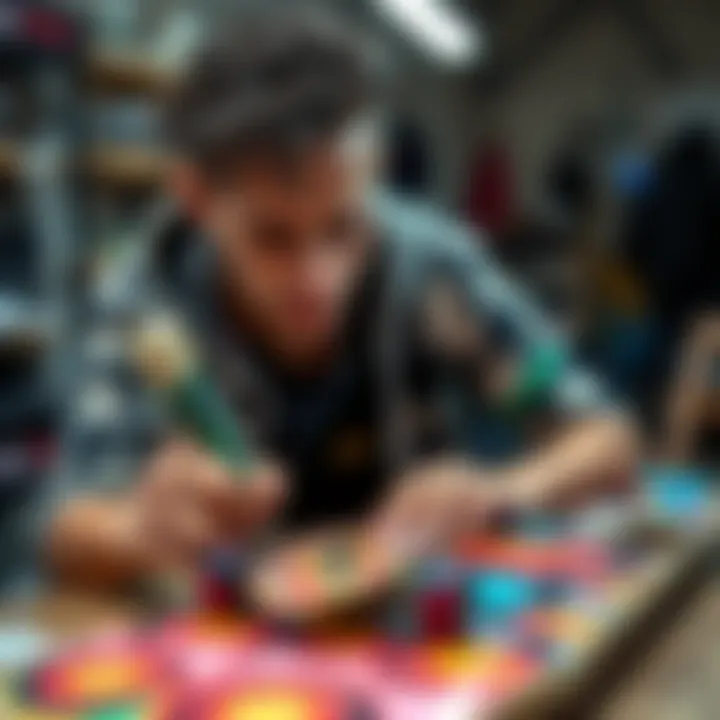
Personal artistic expression through unfinished skateboard decks is not just a trend—it's a foundational element of the skate community. Skaters can turn their imagination into reality, painting, stenciling, or even wood-burning their creations onto the surface of the deck. This uniqueness is not only visually appealing but serves as an identity marker within the skating community.
The key characteristic of personal artistic expression is its limitless nature. Each deck reflects the personality of its skater, displaying both aesthetic preferences and even political or social messages. As such, the process becomes not only about decoration but about telling a story.
Some skaters enjoy the benefit of showing off their skills through their designs, while others find they form deeper connections with their boards as a result of the effort put into customizing them. Though the downside might be the extra time and effort required, most would say it’s well worth it for the satisfaction that comes with creating something unique.
Community Artistic Collaborations
On another level, community artistic collaborations represent a unique facet of unfinished skateboard decks. Local skate shops or larger brand collaborations sometimes organize events where artists and skaters unite to create together. This collaborative effort not only brings different perspectives to the table but also enhances a sense of bonding within the community.
The essential characteristic here is synergy. This collaborative spirit enriches the entire skateboarding culture. Instead of everyone working in isolation, community projects typically lead to impressive outcomes that celebrate collective artistry.
However, these collaborations can carry specific drawbacks. For instance, achieving a cohesive vision can be challenging when multiple creative minds are involved. But, more often than not, the end result encapsulates a broader community voice, making it a worthwhile endeavor.
Environmental Impact
Understanding the environmental impact of unfinished skateboard decks is crucial, especially as consumers become increasingly mindful of their ecological footprint. Incorporating sustainable practices into the production and use of these decks not only contributes to preserving the environment but also enhances the community's image within the broader skateboarding culture. Let’s explore some of these critical aspects.
Sustainable Practices in Deck Production
Creating unfinished skateboard decks with an eye toward sustainability involves several key practices. First off, material selection plays a vital role. Many manufacturers opt for eco-friendly wood sources, like bamboo or sustainably harvested maple, reducing the pressure on dwindling forests. Not only does this help sustain the environment, but it also often results in stronger, lighter decks that skaters appreciate.
Moreover, production techniques are being refined to minimize waste. For instance, using state-of-the-art cutting techniques allows factories to optimize material use, significantly reducing by-products that would otherwise end up in landfills. Simple changes—like using reclaimed wood or partner companies that practice zero-waste philosophies—can have a lasting, positive impact.
Lastly, community engagement has become a significant part of the narrative. Many skateboard brands are focusing on partnerships with local tree-planting initiatives, where a portion of the profits from unfinished decks supports reforestation efforts. This not only strengthens community ties but portrays the skateboard industry as a responsible member of the environmental conversation.
Recyclability and Durability
When we talk about unfinished skateboard decks, recyclability and durability are two important factors that can't be overlooked. Unlike many consumer products that lose value once discarded, unfinished decks often have a longer life cycle—if treated right.
Skateboards, particularly those made from high-quality materials, can endure quite a bit of wear and tear. When they finally meet their end, the right approach can ensure they don't go to waste. Manufacturers are beginning to embrace practices that allow end-of-life decks to be easily disassembled and recycled. For instance, the use of non-toxic adhesives means that the wood components can be reused or repurposed without introducing harmful chemicals into the environment.
Additionally, the durability of unfinished decks adds to their appeal. They handle outdoor conditions like champions, enabling skaters to get more mileage out of each deck. The longer a deck lasts, the less frequently one needs to purchase replacements. This not only saves money but also significantly reduces the demand for new materials, creating a domino effect that lessens environmental strain.
"Sustainability isn't just a buzzword; it’s becoming a necessity in our current climate. Skaters are embracing unfinished decks not just for their aesthetics but also for their potential to create a greener future."
In summation, focusing on eco-friendly practices in the production process, along with ensuring that unfinished decks can be recycled and utilized for longer periods, can profoundly influence our planet's health. The skateboarding community stands at the crossroads of art, culture, and responsibility, paving the way for an ecological revolution within the sport. Key resources like Wikipedia and Britannica provide deeper insights into the evolution of skateboarding and environmental awareness.
Unfinished Decks in the Skateboarding Community
The niche of unfinished decks plays a critical role in the skateboarding community, not just as a product but as a reflection of the culture's values and creativity. These decks breathe life into a scene that thrives on individual expression. Many skaters gravitate towards unfinished decks because they allow for personal customization, elevating the ownership experience. This unique aspect nurtures community bonds, where the skate culture becomes intertwined with artistry and innovation.
Cultural Relevance
Unfinished skateboard decks possess an inherent cultural significance that transcends their basic function. In many ways, they symbolize the DIY spirit that permeates skate culture. The ability to apply one’s artistic flair directly onto a canvas that also serves as a fundamental tool for skating can be quite empowering. Skaters, particularly younger ones, find their voice as they paint, stencil, or decorate their decks with personal touches.
When a crowd gathers at a skate park or event, the array of customized unfinished decks stands as a spectrum of styles and stories. Each skater’s deck tells a different narrative, showcasing their taste, experiences, and influences. This communal affair not only fosters a sense of belonging but also engenders a culture of admiration and appreciation for diverse forms of artistic expression.
Skateboarding Events and Competitions
Showcasing Custom Decks
Showcasing custom decks at skateboarding events is a vibrant facet that underscores the uniqueness of unfinished decks. It’s not just about skating; it’s about presenting one’s creativity under the spotlight. Custom designs often draw the attendees’ attention, with judges and spectators evaluating not only performance but also the art itself. This harmony between art and sport allows skateboarders to gain recognition for their aesthetics as much as for their skills on the board.
A notable characteristic of these showcases is their emphasis on originality. Skaters often springboard from the concept of a blank canvas, using it as a platform to engage with broader themes—social issues, personal experiences, or even local pride. The opportunity to stand out in a crowd fosters a healthy competitive spirit, motivating skaters to push their creative boundaries further.
"Custom decks not only serve as a reflection of individual style but also inspire others to embrace the art of skating more fully."
Workshops on Deck Innovation


Workshops focusing on deck innovation serve as larvae of creativity. They provide skaters with the necessary tools, guidance, and inspiration to transform unfinished decks into personalized masterpieces. In these sessions, participants often learn various decoration techniques, from woodburning to advanced stenciling, allowing them to explore their artistic potential.
The essence of these workshops lies in fostering collaboration and curiosity. Participants exchange ideas, challenge each other’s concepts, and celebrate the art of creation together. This collaborative environment enhances the skateboarding experience—making it more communal rather than merely a competitive pursuit. However, these workshops can sometimes be intimidating for beginners who may feel overwhelmed by the expert creativity around them. Yet, they are also an excellent launchpad for skaters of all levels—encouraging them to share and learn together in a space where mistakes are just stepping stones to improvement.
Tools and Techniques for Customizing Unfinished Decks
When it comes to unfinished skateboard decks, the real magic often lies in the hands of the skaters themselves. Customization is not just a way to express personal style; it's almost an art form in the skateboarding community. The tools and techniques used to transform these plain decks into unique creations can greatly enhance a skater’s experience. Moreover, understanding the methods and materials allows for better-informed decisions on how to make a deck truly one’s own.
Essential Tools
Selecting the right tools is paramount. A combination of precision and creativity is key; having the right equipment can mean the difference between a dazzling design and a botched attempt. Here are some essential tools every customizing skater should consider:
- Utility Knife: A sharp utility knife is necessary for clean cuts, especially if one is working with stencils or creating intricate patterns.
- Sandpaper: Different grits of sandpaper help in smoothing edges and prepping the surface, ensuring a professional finish for paint or designs.
- Brushes and Rollers: Various sizes of brushes and mini rollers allow for versatility when it comes to painting techniques.
- Hobby Knife: Perfect for intricate detailing.
- Adhesive Spray: Great for applying stencils or adhesive designs without bubbling.
These tools not only facilitate the customization process but also ensure quality in the finished product.
Popular Techniques for Decoration
Customizing unfinished decks can take many forms, but some techniques stand out more than others. Among them, two of the most widely appreciated are stenciling and woodburning. Let’s look at them in detail.
Stenciling and Painting
Stenciling is an effective technique that allows skaters to create sharp, clean designs with minimal fuss. Generally, skaters use pre-made stencils or craft their own, which can be as simple or intricate as desired.
Some key characteristics of stenciling include its versatility and the variety of paints that can be employed. Acrylic and spray paints are common choices that adhere well to wood. For many, stenciling represents a quick route to getting an aesthetically pleasing deck without exhausting hours on freehand designs.
However, all that glitters isn't gold; stenciling has its downsides. If not properly applied, paint can seep under the stencil, ruining the design. But when executed well, the result often leaves others in awe.
Woodburning
Woodburning, or pyrography, is another stunning method for customizing skateboard decks. This technique involves using a heated tool to engrave designs into the wood, creating a texture that paint cannot replicate. The key characteristic of woodburning is the permanence of the design. Unlike paint, which can wear off over time, a woodburned pattern is a lasting mark that only adds character as the deck ages.
What makes this technique popular is its ability to deliver a rustic, natural feel to the deck, amplifying its individuality. However, it does require precision and a steady hand, as mistakes can lead to unwanted blemishes. Still, the reward of a beautifully woodburned deck often outweighs the risks involved in the process.
In summary, whether it's the lively splash of color from stenciling or the intricate warmth brought by woodburning, skaters have a wealth of options to explore. The right choice of tools and techniques might just inspire the next great masterpiece in the skateboarding community.
Choosing the Right Unfinished Deck
Selecting the perfect unfinished skateboard deck is crucial for both functionality and self-expression. Skaters often overlook the significance of choosing the right deck, believing it's merely a matter of aesthetics or preference. However, various factors contribute to how a skateboard performs and feels beneath one's feet. Understanding these considerations makes all the difference in the riding experience and ensures that each ride is both enjoyable and tailored to individual needs.
Factors to Consider
Shape and Size
The shape and size of a skateboard deck are foundational. A narrow deck might appeal to those favoring tricks and street skating, while a wider deck can provide added stability and support for cruiser-style riding. Typically, decks come in a variety of widths, ranging from 7.5 inches to 8.5 inches and beyond. Each dimension can cater to different skating styles, enabling skaters to enhance their performance.
For instance, those who primarily engage in street skating often prefer decks measuring around 8.0 inches. This width strikes a balance between control and maneuverability, essential for performing technical tricks. Conversely, wider decks, like those exceeding 8.25 inches, are favored by skaters who savor ramp and bowl skating, offering better foot placement during high-speed rides.
The unique feature of shape variability—the concave—also plays a significant role. A deeper concave offers more foot control for technical maneuvers, while a flatter concave can facilitate easier slides and grinds. However, this characteristic may not suit everyone's riding style, leading some skaters to experiment before landing on their ideal deck configuration.
Material Composition
When it comes to material composition, the most commonly used material for skateboard decks is Canadian maple, valued for its robustness and flexibility. But that's not the only player in the game. Alternative materials, like bamboo and composite materials, are becoming increasingly popular among skaters.
Canadian maple provides a classic board feel that complements various riding styles thanks to its durability. On the flip side, bamboo decks offer a lighter option that can provide similar stability without compromising performance. These decks are generally more elastic, leading to a rider experience that is not only unique but also promotes better shock absorption during landings.
However, it's essential to weigh advantages against disadvantages. While lightweight materials can facilitate tricks and enhance agility, they might not withstand relentless wear and tear as effectively as classic maple. Thus, skaters should consider their lifestyle—whether they cruise casually or push their boards through more demanding terrains—before making a material selection.
Where to Source Unfinished Decks
Local Shops
Local shops often hold a treasure trove for those in search of unfinished skateboard decks. They provide not only the products but also a sense of community that online retailers may lack. Walking into a local shop allows skaters to inspect a variety of shapes, sizes, and materials up close. Additionally, staff at these establishments usually possess valuable insights and can help guide a skater toward the best choice suited to their style.
One stands to benefit greatly from the personalized service offered at brick-and-mortar shops. Skaters can engage in discussions, learn from fellow enthusiasts, and even participate in events that cultivate local skate culture. However, the inventory may be limited compared to the broad selection found online, so it’s advisable to visit more than one local shop.
Online Retailers
On the other hand, online retailers expand the landscape to include a vast array of options, often at competitive prices. Reputable sites like Amazon, Warehouse Skateboards, and Tactics carry an expansive range of unfinished decks, covering a multitude of brands and styles.
One of the most prominent advantages of shopping online is the ability to compare products easily. User reviews can provide prospective buyers with insights into specific decks, contributing to better-informed purchase decisions. However, skaters should exercise caution. Without the opportunity to physically inspect the deck, there’s a risk of receiving a product that doesn’t quite meet expectations in terms of quality or feel.
As skaters navigate between local shops and online retailers, they must weigh their preferences for community interactions against the vast selection and potential price advantages of online shopping. Each path offers distinct benefits that cater to different needs and situations.
Future Trends in the Skateboard Industry
The landscape of skateboarding is always shifting, with trends reflecting the evolving needs and creativity of its participants. Keeping an eye on the future provides insights not just for manufacturers but also for skaters who want to stay ahead of the game. Understanding these trends is crucial for anyone involved in the community, from enthusiasts customizing their gear to retailers looking to stock the latest innovations.
Emerging Materials
The skateboard industry is increasingly leaning towards alternative materials that enhance performance while minimizing environmental footprints. Traditional wooden decks have held their ground for decades, yet, new contenders are emerging.
- Bamboo has gained traction due to its lightweight and flex, providing the right balance for riders seeking agility.
- Carbon fiber has entered the scene, albeit at a higher price point, known for its durability and vibrant responsiveness underfoot.
- Recycled plastics are making noise, paving the way for eco-friendly options that appeal to environmentally conscious skaters.
When manufacturers adopt these new materials, they not only enhance the riding experience but also resonate with a growing demographic that prioritizes sustainability.
Innovations in Design
Design innovations are at the forefront of skateboard development, leading to a more personalized skating experience. Two notable sub-components of this trend include smart technologies and aesthetic upgrades, pushing the boundaries of what a skateboard can offer.
Smart Deck Technologies
Smart deck technologies are creating a stir in the skateboarding realm. These decks equipped with sensors and connectivity options can track performance metrics, such as speed, distance, and even tricks landed.
- Key Feature: The integration of mobile applications allows skaters to analyze their performance on-the-go.
- Benefit: This technology appeals to a younger audience drawn to data-driven activities, adding an interesting layer to the sport.
However, it be wise to consider the drawbacks. The requirement for charging and potential for damage during regular use might limit some skaters' enthusiasm.
Enhanced Aesthetics
Aesthetic enhancements have transformed how decks look, with printed designs, custom textures, and advanced finish techniques. Skaters are not just riding on a board; they are making a statement.
- Key Characteristic: The advent of UV-resistant inks and intricate printing techniques ensures that designs remain vibrant over time, even with continuous use.
- Advantage: This allows for personal expression that goes beyond simple logos or color palettes.
Nonetheless, enhanced aesthetics can come with a higher price tag, which might deter budget-focused skaters from fully embracing premium options.
The shift towards advanced materials and technology in skateboard design not only improves functionality but also caters to a growing market that values individuality and sustainability.
In summary, as the skateboard industry propels into the future, staying informed about emerging materials and innovative designs equips skaters and retailers to adapt to changing trends. By understanding these dynamics, participants in the skateboarding community can make educated decisions that positively influence their experience and the environment.
The End
Recapping the Importance of Unfinished Decks
Unfinished skateboard decks hold a unique significance within the realm of skateboarding, interwoven with the culture, artistry, and individuality that define this sport. Their appeal partly stems from the myriad of options they provide for customization. Skateboarders can select decks that resonate with their vibes, tapping into their identities and reflecting personal tastes. Unfinished decks are not just a backdrop for tricks; they're weighted canvases inviting expression.
It's also essential to recognize how the choice of materials and crafting processes influences both performance and sustainability. Being able to customize a deck offers skaters the chance to enhance their performance based on the specific demands of their skating style. In doing so, they embrace that no two skateboards need to be alike, highlighting the very essence of skateboarding.
Moreover, these decks support a vibrant culture where artistic innovation flourishes, giving rise to new trends and essential insights into the skateboarding community's evolution. By understanding the importance of both unfinished skateboard decks and the customization they offer, skaters are better equipped to appreciate the deeper connection between personal expression and the greater skateboarding world.
Encouraging Artistic Exploration
In embracing unfinished skateboard decks, we invite skaters to explore the boundless possibilities of creativity. Artwork on these decks has the ability to transcend mere decoration, evolving into a statement of identity and intent. As community engagement spikes in workshops and events centered around deck customization, the collective enthusiasm sparks a movement that breathes life into the skateboarding ecosystem.
Whether it’s through stenciling, woodburning, or freehand painting, individuals are encouraged to push their creative boundaries. This artistic exploration fosters connection among skaters, blending diverse styles and techniques into a cohesive cultural narrative. It’s a potluck of ideas where each participant brings their flair, contributing to an ever-expanding tapestry of artistic möjligheter.
The cultural value of participating in this customized creation process cannot be overstated. It goes beyond individual decks; it has the potential to cultivate camaraderie and enhance local skate scenes. In the end, engaging with unfinished boards isn't just about riding—it's about shaping the very landscape of the skateboarding culture, one stroke of paint at a time.