Exploring the Huf Triangle: A Comprehensive Guide

Intro
Skateboarding, more than just a pastime, weaves a complex tapestry of culture, technique, and community. Among its many threads, the concept of the Huf Triangle holds a unique position. It is not merely a geometric figure; it's a representation of the essential components that shape a skateboarder's experience. As we dive into this guide, we seek to untangle the myriad elements that comprise the Huf Triangle and understand why it resonates so deeply within the skateboarding community.
In this exploration, we'll unpack the origins of the Huf Triangle, its integral components, and ultimately its contemporary significance in the ever-evolving world of skateboarding. From seasoned riders to novices finding their footing, everyone can glean valuable insights from this comprehensive narrative.
Through a blend of personal narratives and technical analysis, we'll illuminate how the aesthetics of style, the precision of techniques, and the bonds created within the skate community converge to create the essence of skateboarding today. Buckle up, as we embark on this journey through the facets of the Huf Triangle that shapes not just the sport, but the lifestyle surrounding it.
Tricks and Techniques
Within the framework of the Huf Triangle, the tricks and techniques skateboarders employ are fundamental. It’s here that the physical manifestation of skill meets the creative expression of style. Every skateboarder, regardless of their proficiency level, should be equipped with the knowledge of effective techniques to elevate their experience.
Step-by-step Guides to Popular Tricks
Let's dissect a few popular tricks that riders frequently aim to master. Here are three staple tricks:
- Ollie: The foundational trick for all skaters can lead to many variations.
- Kickflip: Building upon the Ollie, this trick incorporates rotation.
- Heelflip: Similar to the Kickflip but with a twist.
- Place your back foot on the tail and your front foot near the middle.
- Pop down with your back foot while simultaneously dragging your front foot upward towards the nose.
- As the board rises, level it out to land smoothly.
- Start with an Ollie stance.
- As you pop, flick your front foot outward at the toes to initiate the flip.
- Land back on the board with your knees bent to absorb impact.
- Set up like the Kickflip.
- This time, you push down and flick outward with your heel.
- Keep an eye on the board as it spins underneath you.
Common Mistakes and How to Avoid Them
Even experienced skateboarders can falter. Common pitfalls to be wary of include:
- Overcommitting: Jumping too high can lead to balance issues. Focus on controlling your movements rather than just height.
- Improper Foot Placement: If your foot isn't properly aligned, it can result in poor execution of tricks. Re-check your stance each time.
- Rushing: Patience is crucial in skateboarding. Perfecting a technique takes time; skipping steps often leads to mistakes.
"Mastery is not about being perfect; it’s about the journey to improvement and the culture that grows as you learn."
In skateboarding, tricks are more than just feats of athleticism, they encapsulate the essence of the culture. They are often learned and shared within community spaces, embodying the camaraderie that defines the Huf Triangle.
Gear and Equipment
The right gear and equipment can dramatically influence the effectiveness of your techniques and overall experience. Here’s a look into essential items for both beginner and advanced skateboarders alike.
Reviews and Comparisons of Skateboards and Accessories
- Skateboards: A well-constructed skateboard can make all the difference. Whether it's the deck size or the wheel hardness, each component has a role.
- Wrist Guards: Essential for beginners, these can prevent injury and boost confidence in trying new tricks.
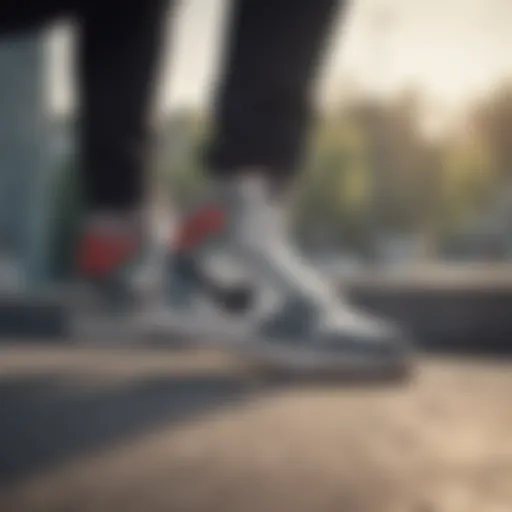
- Shoes: Opt for shoes with a flat sole; this can enhance grip and control on the board.
Essential Gear for Beginners and Advanced Skateboarders
In the Huf Triangle framework, gear isn’t just functional; it reflects style and individuality. Here are must-have items:
- A reliable skateboard with decks like Element Skateboards or Baker Skateboards.
- Tight-fitting clothing that allows freedom of movement, like those from Adio Footwear or Thrasher.
- Accessories such as skate socks that provide additional comfort and protection.
As we come to a close on this section, it’s evident that through the intersection of tricks, techniques, and gear, the Huf Triangle becomes further illuminated. The techniques you choose and the gear you use directly correlate to your personal style and community engagement. In skateboarding, every choice reflects a deeper connection to the culture that binds us all.
Stay tuned as we continue to explore the rich nuances of the Huf Triangle, detailing its history and its ongoing impact on the skateboarding community.
Understanding the Huf Triangle
The Huf Triangle stands as a crucial framework in the world of skateboarding. It encapsulates the essence of a skateboarder's journey by intertwining three core aspects: technique, style, and community. Each element contributes uniquely, creating a mosaic that enhances one's experience on the board. In an environment where individuality and expression reign supreme, understanding this triangle is not just beneficial but essential.
Definition of the Huf Triangle
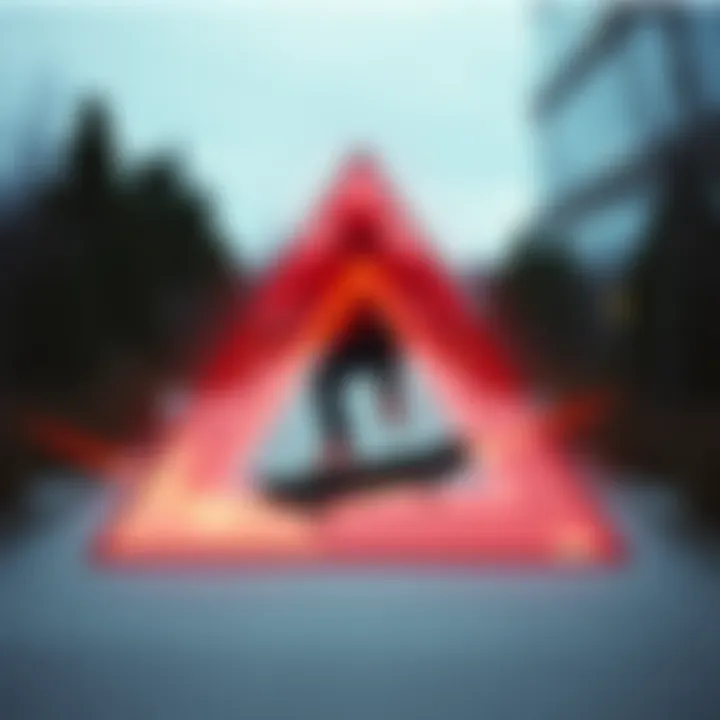
The term "Huf Triangle" refers to a model conceptualized to represent the interconnectedness of technique, style, and community in skateboarding. Each vertex of the triangle signifies a critical component that shapes a skater's identity and performance. Technique embodies the skills required to navigate the board competently, style denotes personal expression through tricks and aesthetics, and community connects skateboarders through shared experiences and culture. This definition underscores the holistic nature of skateboarding; it's not merely about physical prowess but also involves social dynamics and artistic expression.
Historical Context
Origins of the Concept
The origins of the Huf Triangle can be traced back to the evolution of skate culture in the late 20th century. During this period, skateboarding transitioned from a pastime to a prominent cultural force. The significance of the triangle lies in how it reflects the priorities and values of skateboarders over the years. For instance, while the technical aspect of skateboarding became the focal point for many during the 1970s and 1980s, the rising influence of street skating in the 1990s began to highlight style as a vital component. This shift illustrates the dynamic nature of the Huf Triangle, adapting to the preferences of the skating community at different times. Its adaptable structure makes it a favorable choice for this discussion, as it frames the evolving narrative of skateboarding as a cultural practice.
Influence on Skateboarding
The influence of the Huf Triangle on skateboarding cannot be overstated. Each element within the triangle does not exist in isolation; rather, they converge to enhance the overall skateboarding experience. For instance, innovative techniques can spark new fashion trends, while community engagement fosters mentorship opportunities that build skills and style. The interplay among these components has led to the emergence of subcultures within skateboarding, creating spaces for different identities and expressions. This holistic view of skateboarding is beneficial for skaters looking to understand their own positions within this vast culture, making the Huf Triangle a vital framework for analysis. It serves as a reminder that the sport transcends individual performance and becomes a collective journey, rich with diverse perspectives.
"The Huf Triangle reminds us that skateboarding is a journey shared; it’s about more than just tricks on a board." - Anonymous Skater
In summary, understanding the Huf Triangle provides a comprehensive lens through which the complex nature of skateboarding can be explored. From its historical roots to its contemporary relevance, the triangle offers insights into the intricate relationships that shape the skating experience.
Components of the Huf Triangle
Understanding the Huf Triangle means taking a closer look at the key elements that shape skateboard culture. These elements are not just arbitrary components; they weave together to create a rich tapestry that defines the experience of skateboarding for many. By focusing on technique, style, and community, we can appreciate how these components reinforce one another, resulting in a holistic environment that supports skaters of all kinds. Each piece plays a crucial role, leading to skills development, self-expression, and social connectivity—all essential for enhancing a skateboarder’s journey.
Technique
Critical Skills Required
Diving into the technical side of skating, we see that the critical skills necessary for mastering the sport extend well beyond mere balancing on a board. Skills like ollies, grinds, and kickflips are foundational. They allow skaters to perform tricks that showcase their capabilities and, importantly, build confidence. The beauty of developing these critical skills lies in their adaptability—each skater can interpret and execute them in their own unique manner.
For many, obtaining these skills is rewarding. They create opportunities not only for personal growth but also for community recognition. However, these skills can take time and practice to perfect. This process can be frustrating, but the experience ultimately fosters perseverance, a cornerstone in both skateboarding and life.
Practicing Consistency
Practicing consistency introduces stability into the equation. This concept is about not just performing a trick once and calling it a day. It’s about making sure that every time you approach the skate park, you walk away feeling like you’ve improved, no matter how small that improvement might be. The key to mastering any technique is repetition, and such commitment reinforces muscle memory. Skaters often find that showing up regularly helps hammer down their skills, making the difference between landing a trick and failing multiple times.
The challenge with consistency, however, is that it can lead to monotony. Without the ability to adapt and introduce new elements into practice, a skater may find themselves stuck in a rut. Thus, it becomes essential to create a balance between repetition and innovation to keep the passion alive.
Style
Personal Expression
Style is where skateboarding brilliance shines through individuality. Each skater curates their identity through tricks, body language, and even the way they navigate their environments. Personal expression goes beyond the physical; it’s a message to the world about who a skater is. This makes skateboarding exceptionally appealing to those who value artistic presentation in sport.
What stands out about personal expression is its role in cultivating a unique skating persona. While some skaters lean into street styles emphasizing urban landscapes, others might find their flow in park setups. This diversity not only enriches the skater's experience but also fosters a sense of belonging among those who appreciate each style’s nuances.
Fashion and Gear Choices
Skaters equally express themselves through fashion and gear choices. From brands like Vans to independent labels, the skating world champions creativity and personal style. The gear a skater chooses to wear reflects their personality, preferences, and influences. Whether it’s a flashy graphic tee or worn-out sneakers, every piece tells a story.
Moreover, the linked nature of fashion and function should not be overlooked. Choosing the right skateboard, protective gear, and clothing can enhance performance and safety. Yet, flaunting the latest trends can also snowball into unnecessary pressure and spending. Thus, skaters often find themselves navigating the fine line between practical choices and staying chic.
Community
Local Skate Scenes
At the heart of the skating experience lies the local skate scene. Here, camaraderie develops as skaters gather to share knowledge, tricks, and encouragement. Each skatepark or street corner becomes a melting pot of diverse backgrounds and styles. These communities break down barriers, allowing various social circles to come together. The importance of local scenes cannot be overstated; they provide a space for learning and growth, where both novices and veterans can ride alongside one another.
One downside to local scenes can be competitiveness that sometimes emerges. Healthy competition can push skaters to elevate their skills, but pressure to outperform can discourage newcomers. Building an inclusive atmosphere is essential to nurturing a supportive skate community.
Influence of Social Media
Social media has transformed how skaters connect and share their journeys. Platforms such as Instagram and TikTok allow individuals to showcase their tricks, gain followers, and build a brand without needing to rely on traditional methods of exposure. This newfound accessibility has made it easier for aspiring skaters to learn from experts and engage with the greater sphere of skate culture.
However, social media also brings challenges. The constant barrage of perfect tricks can lead to unrealistic expectations, particularly for beginners. Skaters might find themselves comparing their progress to highlights of others, which can undermine confidence and motivation. Balancing the inspiration gained from social media with the need to stay grounded in one's personal journey is vital for a fulfilling skateboarding experience.
Interrelation of Components
The exploration of the Huf Triangle isn't merely a dissection of its individual parts. Rather, it forms a tapestry woven from the threads of technique, style, and community, each enriching the other. Recognizing this interrelation is crucial for understanding the full impact of the Huf Triangle on skateboarding today. This dynamic interplay not only enhances the skill set of individual skaters but also binds them to the community, creating a sense of belonging and shared identity.
Balancing Technique and Style
When we talk about balancing technique and style in skateboarding, we’re addressing a core principle that defines a skater’s journey. Skill is essential in executing tricks, but it's the flair—the personal style—that turns a mere flip into something exceptional. Technique can be seen as the solid backbone, while style adds the distinctive flair, making every trick visually captivating.
The challenge lies in harmonizing these elements. A skater may master the mechanics of a trick but still struggle to infuse it with their unique style. This balance is crucial, especially in competitions where judges are keenly observing both aspects. Achieving this equilibrium not only showcases personal talent but also fosters creativity. Skaters often push the limits of what is possible, leading to innovations in both technique and how style can be expressed.
The Role of Community Support
Community acts as the bedrock for the evolution and appreciation of the Huf Triangle. It cultivates a fertile ground where technique flourishes, style is celebrated, and shared experiences create bonds. In a world that often emphasizes individual achievement, community stands as a reminder that skateboarding thrives best when skaters support one another.
Mentorship and Learning
Mentorship within the skate community plays an invaluable role in nurturing new talent. Experienced skaters often share insights, offering guidance on technique while encouraging personal style. This exchange is pivotal; it helps novices avoid common pitfalls and develop their unique voice within the skate scene. Mentorship isn't a one-way street; seasoned skaters benefit from fresh perspectives, invigorating their own skills and keeping the community vibrant.
- Key Characteristic: Personalized feedback is one of the unique features of mentorship. This tailored approach allows beginners to learn effectively and aids in refining techniques that might otherwise go unnoticed.
- Advantages/Disadvantages: While mentorship can significantly enhance learning, it is essential for both mentors and mentees to have realistic expectations. Over-dependency on a mentor may stifle creativity, suggesting that finding the right balance here is essential.
Shared Resources
Shared resources in the skate community contribute profoundly to the collective knowledge and skills base. Skateparks, online forums, and skate shops often become hubs for exchanging ideas and techniques. These resources democratize access to learning, ensuring that all skaters, regardless of their economic background, can grow and refine their craft.
- Key Characteristic: Accessibility is a significant benefit of shared resources. They enable skaters to tap into a wealth of knowledge and experience that they might not encounter otherwise.
- Advantages/Disadvantages: However, while shared resources can level the playing field, they can also lead to a saturation of similar styles and techniques, possibly diluting individuality. Finding a balance between learning from these resources and innovating one’s unique style is crucial.
In essence, the interplay of technique, style, and community support created by the Huf Triangle not only enhances overall skateboarding experiences but also builds a vibrant culture where innovation thrives. The refined skills and shared experiences contribute towards creating a world that values creativity and technical prowess equally, inspiring skaters across all backgrounds and skill levels.
Impact on Modern Skateboarding


The Huf Triangle holds significant importance within modern skateboarding, shaping the way skaters approach their craft. This concept intertwines the elements of technique, style, and community—creating a trio that directly influences the evolution of skateboarding as a discipline and culture. Each component of the triangle does not only function individually but interlocks to enhance the overall skateboarding experience.
When we examine the significance of the Huf Triangle in today’s skate scene, it unveils layers of benefits that extend beyond the act of skating itself. For example, technique is essential for performing tricks, yet the incorporation of personal style signifies a deeper expression of identity, influenced heavily by one’s community. The merging of these elements allows skaters to innovate techniques, setting new trends that ripple through the culture.
Innovation in Skateboarding Techniques
Innovation in skateboarding techniques stands out as a prime focus within the Huf Triangle. Skaters often push the boundaries of what is possible on a board, using their technical skills as a foundation to build upon. As tricks evolve, so does the very essence of skateboarding. For instance, recent advancements in tricks such as the nollie flip or complex grind variations reflect the growing interplay of creativity and hard-earned skills. These techniques not only showcase the physical ability of riders but also influence how skateboarding is perceived as an art form.
Furthermore, skateboarding’s contemporary techniques echo the innovations in materials and technology—from stronger decks to more responsive wheels. Skaters tap into these developments to express their individuality and refine skills, crafting a distinct style while navigating the terrain and its challenges.
Evolution of Skate Culture
The evolution of skate culture has mirrored the changes within the Huf Triangle, illustrating how skateboarding is not just a sport but a movement. As skateboarding garnered attention, it transformed from an underground subculture into a global phenomenon. This shift altered how skaters connect with each other, engage with their communities, and express their identity—both aesthetically and through performance.
Representation in Media
Representation in media has played a pivotal role in the evolution of skate culture. Documentaries, films, and social media channels have showcased not just the tricks but the lifestyles of skaters, painting a broader picture of what skateboarding entails. The characteristic of media representation is its ability to create visibility for skateboarders of diverse backgrounds. This inclusivity is crucial for the sport as it nurtures a broader community, enriching the culture.
One notable feature of media representation is the ease with which skaters can share their experiences. Platforms like Instagram or YouTube enable rapid dissemination of fresh perspectives, allowing emerging skaters to learn and grow through visibility. However, the downside can be a pressured environment where followers influence the authenticity of personal style or trick execution.
Emergence of New Subcultures
The emergence of new subcultures within skateboarding continuously refreshes the broader narrative. It highlights how specific styles or techniques rise out of distinct communities or geographic locations, establishing their own identities while contributing back to the core skate culture. Popular characteristics of these subcultures often include unique fashion choices or localized tricks.
These new subcultures serve as an attractive aspect of skateboarding as they offer skaters the chance to belong to something bigger than themselves. Each group fosters a sense of pride and creates unique traditions. A downside, however, could be the potential for divides among skater groups, sometimes leading to gatekeeping. It's essential to navigate these waters carefully, ensuring the community thrives collectively.
In summary, the influence of the Huf Triangle reflects the dynamism of skateboarding today. As techniques evolve and the community expands, the interconnectedness of these elements will undoubtedly shape the future of skateboarding in profound ways.
Case Studies
Examining case studies within the context of the Huf Triangle reveals the intricate layers of skateboarding culture. These case studies serve as practical examples, allowing us to connect theoretical concepts to the real-world practices of individuals and brands within this vibrant community. They not only inspire aspiring skaters but also provide insights into how the triangle's components—technique, style, and community—interact in tangible ways.
Influential Skateboarders
Influential skateboarders are not just names in the industry; they are trendsetters who epitomize the Huf Triangle. These athletes shape the technique through their unique skateboarding styles. For instance, skaters like Tony Hawk or Nyjah Huston bring personal flair to their performances while establishing benchmarks that others strive to achieve.
- It’s about more than just flipping a board.
- Each trick tells a story of perseverance and individuality.
These skaters show the importance of authentic expression, using skateboarding as a canvas for their personality. Their influence extends beyond the skatepark; they become icons, shaping social media narratives and inspiring the next generation to embrace their identities within the community.
Iconic Brands and Their Impact
Brands play a pivotal role in shaping the landscape of skateboarding. Through thoughtful branding, they influence community dynamics and essentially become part of the culture. Two significant facets here are brand partnerships and marketing strategies, both of which have unique characteristics that contribute to the culture.
Brand Partnerships
Brand partnerships often amplify a skateboarder’s reach. For instance, partnerships between notable brands like Element and well-known skaters create a synergy that energizes both parties. These collaborations can lead to exclusive gear lines, showcasing styles that resonate with the skate community.
- Key Characteristic: Collaborations often highlight innovation and creativity.
- Benefits: Such partnerships can help bridge gaps between experienced and novice skaters.
- Unique Feature: This alignment can result in unique product offerings that are not only functional but have a cultural significance.
The potential downside is the risk of commercialization overshadowing personal authenticity. If overly focused on profit, brands might miss the pulse of the street, thus alienating their original base. Keeping the community's true spirit alive is critical, ensuring that partnerships elevate both the brand and the skater's personal narrative.
Marketing Strategies
Marketing strategies employed by skate brands significantly impact their connection with the audience. Compelling stories told through video ads or social media campaigns can create emotional ties with both skaters and non-skaters. These strategies also serve to educate the public about the nuances of skate culture.
- Key Characteristic: Authenticity in messaging makes for effective marketing.
- Benefits: Engaging campaigns often lead to increased community involvement, bringing together diverse audiences under one umbrella.
- Unique Feature: A good marketing strategy can spotlight lesser-known skaters, allowing new voices to thrive within the community.
However, brands need to be careful. Misaligned messages can do more harm than good. They must resonate with their audience without feeling forced or disingenuous. A measured, thoughtful approach is vital in crafting lasting relationships with customers.
By utilizing case studies, we see how skateboarding’s dynamic present is influenced by its past.
In essence, the exploration of influential skateboarders and iconic brands reveals the heart of the Huf Triangle. These elements resonate through shared experiences and cultural narratives, shaping the future of skateboarding.
Challenges within the Huf Triangle
The Huf Triangle is not just a theoretical concept but a living representation of the balance between technique, style, and community in skateboarding. However, navigating this triangle comes with its own set of challenges that can significantly impact skateboarders at various stages of their journey. Understanding these challenges offers insight into how skateboarders can enhance their skills while maintaining core values and connections to the community.
Navigating Personal Identity
Addressing Stereotypes
Stereotypes in skateboarding can be a slippery slope. Many newcomers might feel pressure to conform to certain images that don’t resonate with their true selves. Addressing these stereotypes is critically important because it opens the door for diverse personalities in the sport. Skateboarding has often been branded with a narrow set of characteristics: rebellious, danger-seeking, and often male-dominated. Yet, like any scene, skate culture thrives on variety—individuality can be its lifeblood.
A key characteristic of addressing stereotypes involves representation. Skateboards such as the ones crafted by Girl Skateboards and Ethos Skateboarding showcase a more inclusive vision. Embracing varied identities encourages skateboarders to feel comfortable expressing themselves. This might mean challenging the prevalent views about who can be a skater, resulting in a more collaborative environment.
However, addressing stereotypes has its pitfalls as well. The burden of fighting against ingrained perceptions can wear on individuals, creating a sense of fatigue within the skate community. It’s crucial to find a balance between advocacy for inclusivity and the everyday love for skating.
Maintaining Authenticity
Authenticity is the thread that weaves together the fabric of the skateboarding community. It relates to how skateboarders perceive themselves and how they engage with the world around them. To maintain authenticity while traversing the Huf Triangle, an individual must cultivate their style and technique without succumbing to the pressure of industry expectations.
A significant aspect of this is personal expression on the board. The line between aspiring for mastery and simply having fun can sometimes blur. The culture encourages one to stay true to their roots, making it a popular choice among skaters to share their journeys, challenges, and breakthroughs openly. Social media platforms like Instagram are fertile ground for this kind of sharing, featuring skaters like Nyjah Huston who balance professional achievements with their individual stories.
Yet, maintaining authenticity is not without its challenges. There is always a risk that if one focuses solely on trends or what seems 'in,' they may lose touch with their authentic self. Finding and keeping that balance is often a lifelong endeavor.
Community Divides
Community divides can create tension within the Huf Triangle, impacting how skateboarders engage with one another and the sport itself. These divides can manifest through geographical differences and generational gaps, each presenting unique obstacles.
Geographical Differences
Skateboarding exists in various environments, from urban cities to quiet suburbs. These geographical differences play a profound role in the way individuals experience skate culture. For instance, a skater in Los Angeles might have access to a vast array of parks and street spots, while someone in a small town may rely more heavily on DIY setups.
This variability can shape access to resources, mentorship opportunities, and community support. Some skateboarders might feel isolated, leading to frustration and a lack of motivation. Conversely, skateboarders in densely populated areas often enjoy a vibrant local scene filled with shared events and resources.
However, geographical differences also offer a rich tapestry of experiences—each area brings its own flair. Learning about distinct locations can inspire innovation in tricks or styles, making it beneficial to embrace these contrasts rather than see them as divisions.
Generational Gaps
Generational gaps have a unique impact on the skateboarding community. With seasoned pros like Tony Hawk and Rodney Mullen having paved the way for newer generations, the exchange of knowledge is often a double-edged sword. While new techniques and ideas come bubbling up, there can be a misunderstanding between the old guard and younger riders. Such divides can stem from differing priorities between generational cohorts: older skaters often emphasize style and technique, while newcomers may lean more toward creativity and expression.
These gaps create rich opportunities for dialogue and mutual learning. For example, veteran skaters might mentor younger skaters, fostering respect for history while encouraging new ideas to welcome innovative trends. Embracing both perspectives instead of resisting change can enrich the community as a whole.
"Skill is skill, no matter the generation. It’s the evolution that keeps skateboarding alive."
Navigating the challenges within the Huf Triangle requires diligence and a commitment to personal and community growth. By addressing stereotypes, maintaining authenticity, and bridging community divides, skaters can honor their roots while pushing the envelope in exciting directions.
Future of the Huf Triangle
The future of the Huf Triangle stands as a beacon of possibility. As skateboarding continues to morph under various influences, understanding how the Triangle adapts is critical for anyone embedded in this culture. It not only helps skaters hone their skills but also shapes the very essence of skateboarding itself. A forward look into the future reveals trends and shifts that can redefine how the elements of technique, style, and community interlace.
Predicted Trends
Technological Advancements
Technology isn't just changing the way boards are built; it's reshaping whole skateboarding communities. With the rise of smart gear and virtual reality, skaters are gaining more tools to enhance their experience. For instance, companies are developing apps that can analyze movement and provide feedback on skating techniques. This is huge! These advancements not only help beginners but also seasoned pros striving for that extra edge.
- Key characteristic: Real-time data collection. This allows skaters to track their performance intricately.
- Why it’s beneficial: By providing instant feedback, riders can correct their techniques on the fly, rather than waiting for that elusive perfect run.
- Unique feature: Community platforms that connect skaters globally, enabling shared learning experiences, connecting with mentors, or joining virtual competitions.
- Advantages: The accessibility of information can democratize skateboarding, but one must be wary of over-reliance on technology, which may dry up the organic street-style ingenuity that comes from real-life practice.
Changing Demographics
Demographics are shifting in skateboarding. The sport is now attracting a more diverse crowd, and this change is evident on skate parks and in competitions. More inclusivity brings richer styles and an explosion of ideas, portraits that were once marginalized are now core voices in skating. This diversification serves up fresh challenges and perspectives that are enriching the cultural fabric.
- Key characteristic: Growing interest from different age groups and cultural backgrounds.
- Why it’s popular: As more people jump on board, the community flourishes with new influences and innovations.
- Unique feature: Older generations sharing insights with younger skaters creates a unique mentorship cycle, fostering a community that values experience alongside youthful exuberance.
- Disadvantages: Cohesion can suffer when too many differing views clash, leading to possible divides in skating styles or preferences. It's a delicate balance to simplify.
Sustaining Community Engagement
To keep the Huf Triangle alive and flourishing, community engagement is paramount. Skate parks, competitions, and workshops serve as the heart of these interactions. The dynamic is not just about practicing tricks but understanding the culture itself. As technology changes and demographics evolve, finding ways to sustain this engagement becomes essential.
- Fostering local skate scenes: Bouncing ideas around local skate parks or through social media, sharing rides, and tips keeps interest alive.
- Building platforms for discussion: Forums and groups dedicated to specific areas of skateboarding encourage skaters to exchange experiences.
- Community events: Skate jams, fundraisers, and collaborations with brands can strengthen ties among skaters and elevate local talent.
Ending
The significance of this conclusion in our discussion of the Huf Triangle cannot be overstated. It serves as a vital encapsulation of the overarching themes intertwined throughout this guide. By revisiting the key components such as technique, style, and community, we crystallize the essence of what the Huf Triangle truly embodies. This model illustrates not only how these elements interconnect but also how they shape the skateboarder's journey—providing a framework that informs practice, expression, and belonging in the skateboarding world.
A deeper understanding of these components allows skaters and enthusiasts to navigate their identities and communities with a more thoughtful lens. When one appreciates their own style or the technical aspects of skateboarding, as well as the community that embraces them, it becomes clear that they are part of a broader cultural tapestry. This awareness contributes to the mental agility needed to adapt and innovate within the sport.
Moreover, considering the future of the Huf Triangle, it is crucial to actively engage with the evolving trends and dynamics influencing skateboarding culture. By recognizing the historical roots and contemporary developments, skaters can better anticipate shifts that may reshape their practices or communities. This holistic view fosters adaptability, ensuring that the legacy of the Huf Triangle will continue to influence skate culture for years to come.
"The Huf Triangle is not just a concept, it is a lived experience that evolves with every skater who pushes the board forward."
Through this guide, our aim has been to provoke thought, inspire engagement, and foster a sense of connection among those navigating the vibrant realm of skateboarding. As we close this discussion, remember that every ride is not just about the tricks or the style, but about the connections built along the way.
Recap of Key Points
- The Huf Triangle consists of three primary components: technique, style, and community.
- Each element is intricately linked, influencing not just the individual skater but the culture as a whole.
- Historical context enriches our understanding of the Triangle's relevance in modern skateboarding.
- As skate culture continues to evolve, maintaining a fluid understanding of these interrelations will be key to navigating future challenges and opportunities.
The Lasting Influence of the Huf Triangle
The Huf Triangle is more than just a theoretical framework; it is a concept that resonates profoundly within the core of skateboarding culture. Through its presence, skaters find identity and community in a space that often celebrates individuality.
As the sport advances and diversifies, the principles underlying the Huf Triangle remain applicable. Innovation in techniques, various expressions of style, and the reinforcement of community bonds are vital as we move forward. Furthermore, these elements have the potential to shape new generations of skateboarders, driving them not only to excel in their craft but to feel a deeper connection to the culture at large.
In essence, the lasting influence of the Huf Triangle lies in its ability to dynamically adapt to the changing landscape of skateboarding. As new trends emerge, this model offers a compass to navigate the thrills and tribulations of the journey. Always rooted in technique, style, and community, the Huf Triangle will continue to be a foundational element for skaters looking to connect and grow within this exhilarating culture.