Exploring the Depths of Skateboarding: Almost Boards


Intro
Skateboarding has long transcended its status as just a sport; it’s a veritable lifestyle that fosters creativity and community among its aficionados. Amid the array of brands that adorn the world of skateboarding, 'Almost' boards stand out as a fascinating case study. Founded by industry legends, 'Almost' has crafted a unique identity characterized by innovation and a commitment to quality that caters to skaters of all levels. This article deeply investigates what sets 'Almost' boards apart through various lenses — from the techniques that define modern skateboarding to the materials that enhance performance.
By peeling back the layers, we’ll not only explore the nuances of board craftsmanship but also shine a light on the vibrant culture and ever-evolving trends that influence the sport today. Our journey will blend insights into tricks, essential gear for every skater, and this brand’s pivotal role in shaping community dynamics around skateboarding.
Tricks and Techniques
Skateboarding, at its core, is about nailing tricks. Whether you’re a novice or a seasoned pro, the thrill of landing a new maneuver is unmatched. Understanding the core techniques allows skaters to develop their skills effectively. Let’s dive into some popular tricks that every rider should consider.
Step-by-step Guides to Popular Tricks
- Ollie
The ollie is fundamental for many skateboarding tricks. Here’s how to land it: - Kickflip
Once you master the ollie, the kickflip is the next logical progression: - Heelflip
Similar to the kickflip, but using the heel:
- Position your feet: Place your back foot on the tail and your front foot near the middle of the board.
- Pop and slide: Push your back foot down to pop the board while sliding your front foot up towards the nose.
- Jump: As you begin to rise, suck your knees up and pull the board with you.
- Land softly: Keep your knees bent to absorb the impact.
- Start with the ollie: Execute an ollie but kick your front foot outward at the peak.
- Spin the board: Use the flick of your foot to rotate the board.
- Catch and land: Wait until you see the grip tape again, catch it with your feet, and land.
- Position your feet: Back foot ready on the tail, front foot angled towards the nose.
- Flick with your heel: Instead of pushing outward, use your heel to flip the board.
- Catch it: As with the kickflip, catch it when it’s flipped around.
Common Mistakes and How to Avoid Them
Skating is a learning curve filled with plenty of room for error. Here are some common pitfalls:
- Not committing fully: Hesitation often leads to falls. Trust your instincts and commit to the trick.
- Incorrect foot placement: Ensure your foot is positioned properly to control the board’s movement.
- Improper landing: Always aim to land with your knees bent to reduce the risk of injury.
Gear and Equipment
The right gear can enhance your skating experience, especially with a brand like 'Almost', known for its quality boards. Here’s what you need:
Reviews and Comparisons of Skateboards and Accessories
When it comes to 'Almost' boards, they offer several models tailored for different skateboarding styles:
- Almost SLICK series: Known for its unique graphics and durability.
- Almost Maple Decks: These offer a great balance of weight and strength.
- Trucks and wheels: Don't skimp here. Look for durable trucks that can withstand grind tricks, and wheels suited for your skating style.
Essential Gear for Beginners and Advanced Skateboarders
For beginners, starting with the basics is key; here’s a starter kit:
- Protective Gear: Always wear a helmet and pads to avoid injuries.
- Quality Deck: Consider an 'Almost' board for a balance of affordability and quality.
- Shoes: Opt for skate-specific shoes that provide grip and support.
For advanced skaters, consider upgrading your gear with:
- Customized Wheels: For better control and speed.
- Pro-level Decks: Tailored to suit personal style and comfort.
"A good skateboard setup is just like a solid foundation of a house, if it’s shaky, you’re bound to crumble."
Closure
As skateboarding evolves, understanding brands like 'Almost', along with the technical aspects and gear, becomes essential for anyone serious about diving into the sport. Through a mix of tricks and quality equipment, skaters can enhance their skills while becoming a part of the greater skateboarding community. So whether you’re just starting or looking to refine your craft, the insights gathered here should equip you to hit the streets with confidence.
For more extensive insights into skateboarding techniques and community trends, you might find exploring these resources useful:
- Wikipedia on Skateboarding
- Britannica on the History of Skateboarding
- Discussions on Reddit Skateboarding
- Connect via Facebook to find Skateboarding Groups \n
Prolusion to Skateboarding
Skateboarding isn't just a hobby; it’s a culture, a form of self-expression that has evolved over decades. Understanding skateboarding is crucial, not just for the novice rider but for anyone invested in the fascinating world surrounding it. From the simple joy of gliding down the street to the complex maneuvers seen in competitions, skateboarding offers a diverse experience that is often misunderstood.
At its core, skateboarding is about freedom. Riders navigate their environment, sometimes challenging the very urban landscapes they inhabit. Whether a person chooses to ride for sport, art, or leisure, understanding the fundamentals can enrich their experience. These foundational elements encompass not just the physical techniques involved but also the emotional and cultural connections forged through the sport.
Key Considerations
-A clear grasp of techniques shapes a beginner's journey. Learning how to push off, balance, and steer effectively lays the groundwork for advanced skills.
-Establishing an understanding of skateboarding culture fosters community connections. From local skate parks to global competitions, communication and interaction among skaters often support growth in skills and friendships.
-Equipment knowledge affects performance. A skateboard isn't just a plank with wheels; it’s carefully designed with elements that impact everything from balance to speed.
"Skateboarding is a territory where young minds indulge in creativity, pushing boundaries one trick at a time."


The journey into skateboarding starts with personal exploration. Each rider crafts their style, often influenced by their environment and peer group. Thus, dismantling preconceived notions about skateboarding allows for a more profound appreciation of what it embodies. It’s not just about the board; it reflects culture, identity, and community.
Benefits of Understanding Skateboarding
- Enhanced Skills: Gaining insights into board components and techniques assists in refining skills. It reduces the steep learning curve many beginners face.
- Cultural Awareness: Awareness of skateboarding culture results in a richer engagement, allowing enthusiasts to connect more deeply with their passion.
- Safety: Knowledge about the gear, from helmets to skate shoes, helps promote safety, which is paramount in a sport filled with risks.
Historical Context of Skateboarding
Understanding the historical context of skateboarding is vital to grasp the evolution of this sport and the brands that serve its enthusiasts, like 'Almost' boards. Examining the roots of skateboarding is not just about tracing its beginnings; it reveals the social dynamics, cultural changes, and technological advancements that have shaped this beloved pastime.
From its inception as a quirky activity among surfers looking to replicate wave riding on land, skateboarding has transformed into a global phenomenon, attracting young and old alike. Observing its journey helps to appreciate the innovations and thought processes behind current board designs and materials. The history tells us how different skateboarding styles emerged, which in turn influenced manufacturing methods—details that make brands like 'Almost' stand out.
Origins of Skateboarding
Skateboarding traces its roots back to the 1950s in California, where surfers sought creative outlets during flat waves. They attached roller skate wheels to wooden planks, marking the beginning of a new way to ride. This newfound freedom was infectious, captivating kids who began to carve their own paths on the streets and sidewalks.
In the early days, there wasn't much in the way of professional gear or formal techniques. It was purely an expression of individuality.
In the following years, skateboards became more sophisticated. Decks evolved in shape and size, often reflecting the influence of the popular surf culture. The aesthetic of the boards featured vibrant graphics and was a canvas for self-expression. Over time, the skateboard went from a simple wooden plank to a vital piece of sporting equipment with carefully considered design elements.
Evolution of Skateboard Design
As skateboarding gained traction, the design of skateboards underwent substantial transformation. The late 1960s saw the introduction of the first mass-produced skateboards. These boards often had a thinner profile and saw the introduction of different materials—like plastic in some models—that aimed to improve performance and aesthetics.
The 1970s brought radical innovations like the kicktail, a game-changer that allowed skaters to perform tricks. Narrower decks and wider wheels also made their debut, showcasing the shift towards performance and versatility.
By the 1980s, skateboarding evolved into an organized sport with brands gaining prominence. Decks were created with varying concavities, making them more suitable for different riding styles. This newfound diversity catered to a broad audience—from street skaters to bowl riders.
Today, skateboard design continues to push boundaries. Companies focus on integrating technology with traditional craftsmanship, as seen in brands like 'Almost'. They often use advanced materials to enhance strength and flexibility, catering to the needs of different types of skaters.
"The history of skateboarding is a testament to creativity and adaptability. Every twist and turn along the way has led to a vibrant culture that thrives on innovation and personal expression.'
Understanding this evolution is critical for appreciating the precision and care that goes into creating 'Almost' boards. From the simple wooden innovations to today's complex designs, the spirit of skateboarding remains vibrant and ever-evolving.
For further exploration into the history of skateboarding, you may find Wikipedia, and Britannica helpful resources.
Understanding Skateboard Components
When it comes to skateboarding, understanding your board's components is crucial. Each part has its unique role, contributing to how the board rides and interacts with the ground. Grasping the fundamentals can lead to a more informed choice when buying a board and impacts the overall skateboarding experience. In this way, knowing the ins and outs of skateboard components not only empowers skaters but enhances their ability to perform tricks and maneuvers. This section breaks down those essential parts into easily digestible pieces, highlighting their significance and the thoughtful design that goes behind them.
The Deck: Various Shapes and Materials
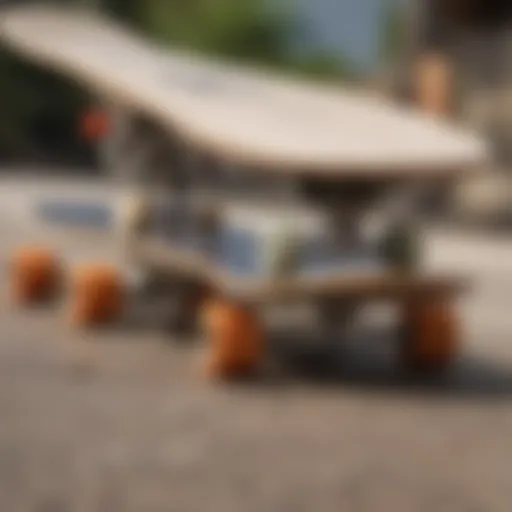
The deck is the heart of the skateboard—where all the action takes place. Shapes vary widely: from the classic popsicle shape used in street skating to the wider, more stable decks designed for cruising. These forms provide different balances of agility and stability, catering to distinct styles of riding.
In terms of materials, wood remains the most common choice, primarily maple. It's known for its resilience and flex, which allows the deck to absorb shocks from jumps. However, some brands, including ‘Almost’, are experimenting with alternative materials like bamboo or fiberglass, each providing unique attributes.
- Shapes:
- Materials:
- Popsicle (popular for street tricks)
- Cruiser (for relaxed skating)
- Longboard (for downhill stability)
- Maple (traditional and flexible)
- Bamboo (lightweight and eco-friendly)
- Fiberglass (strength with less weight)
These variations let riders pick what fits their style. A generalized set-up won’t suffice if a skater aims for a specific trick or terrain. As a result, familiarity with deck components allows for picking the right tool for the job.
Trucks: Functionality and Features
Trucks bridge the gap between the wheels and the deck, influencing how the board handles turns and maneuvers. They consist of a pair of metal axles, mounted centrally on the deck. Their height, width, and material all play significant roles.
High trucks offer better turning capabilities, while low trucks enhance stability. Found in brands like ‘Almost’, they often utilize aluminum alloys that strike a balance between strength and weight, making for a responsive ride. Additionally, considerations on the geometry of the trucks affect the way they pivot and react to the skater's shifts in weight.
- Height considerations:
- Material choices:
- Low trucks (stability and balance)
- High trucks (maneuverability and tricks)
- Aluminum (lightweight and durable)
- Steel (heavy but strong)
The tension of the bushings in a truck also speaks volumes. Stiffer bushings give precise control, while softer ones offer a looser, more agile feel, which might suit certain styles or preferences. Ultimately, pick your trucks wisely to make the most out of every run.
Wheels: The Unsung Heroes
Wheels may often get less attention than other components, but their importance cannot be understated. They differ greatly in size and durometer, affecting how the board rides over different surfaces. Smaller wheels are ideal for technical tricks, while larger wheels provide more support on rough terrain.
The durometer of the wheels plays a huge role in determining grip and slide. Softer wheels offer a smoother ride and better grip on rough surfaces, while harder wheels are better for slick surfaces, allowing for easier slides and tricks. Brands like 'Almost' have tailored their wheels to complement their boards, ensuring compatibility and optimized performance.
- Size variations:
- Durometer hardness:
- 50-54mm (street skating)
- 55-60mm (vert and cruising)
- Softer (78A-87A for grip)
- Harder (88A-101A for tricks)
Ultimately, wheels can profoundly influence how a skateboard performs. Thus, selecting the right set can make a world of difference, impacting everything from comfort to trick execution.
"The equipment is like a musician’s instrument; if it isn’t right, the music won’t flow."
Focusing on 'Almost' Boards
Diving into the realm of skateboarding, one cannot overlook the distinction of 'Almost' boards. This segment of the skateboarding landscape is not just a brand but a representation of innovation, style, and performance. To understand why focusing on 'Almost' boards is essential, we must examine their core attributes, benefits, and what sets them apart from competitors in the market.
Brand Overview and Philosophy
'Almost' was founded in 2003 by industry stalwarts Rodney Mullen and Daewon Song, a pair of well-respected and incredibly talented skateboarders. The essence of 'Almost' lies in its commitment to quality and creativity, pushing design boundaries while honoring the roots of skate culture. The brand encapsulates a philosophy that champions originality and artistic expression, marrying technical skateboard performance with vibrant graphics that resonate with skaters of various backgrounds.
This brand is often seen as a breath of fresh air in a market chock-full of repetitive designs and lackluster approaches. The name itself, 'Almost', hints at the unconventional; it evokes a sense of possibility and semiotics of aspiring toward something greater, a trait admired particularly among younger skaters who aspire to improve their skills and style.
Key Features of 'Almost' Boards
When it boils down to the specifics, 'Almost' boards are celebrated for several reasons that contribute to their appeal among skaters:
- Construction Quality: The durability is significant, primarily due to the use of high-quality maple wood. This wood not only provides resilience but also excellent pop, crucial for tricks and maneuvers.
- Shape Variety: Almost boards offer a plethora of shapes and sizes tailored to different skating styles, whether street, park, or transition.
- Creative Designs: The artistic edge is a turning point, as their graphics often feature collaborations with artists, making each board practically a canvas. Skaters take pride in displaying unique boards that stand out from the crowd.
- Performance Elements: These boards are designed with performance in mind, equipped with features catering to both beginners and experts, ensuring that they can grow with the skater.
As any seasoned skater can tell you, the emotional connection to one’s board can be as significant as the technical details. This connection, fostered by the unique ethos and quality of 'Almost' boards, nurtures a community that celebrates both individualism and the collective spirit of skateboarding.
“Skateboarding is about being a part of something bigger yet maintaining your unique identity.”
For anyone looking to step into the world of skateboarding or to deepen their current practice, understanding the nuances of 'Almost' boards serves as a crucial stepping stone. From their narrative-driven branding to their exceptional build quality, these boards play a significant role in cultivating a deeper appreciation for the sport.
The attention to detail and commitment to creativity in their designs are remarkable traits that embody what skate culture is all about. Thus, focusing on 'Almost' boards provides the necessary insights for enthusiasts and novices alike to grasp the evolution of skateboarding and its culture.
Technical Aspects of Riding
When it comes to skateboarding, understanding the technical aspects of riding is crucial for anyone looking to hone their skills. These elements aren't just for show; they form the backbone of effective riding and trick execution. Knowing how to manage balance, grip, and board control can make the difference between landing that perfect trick and wiping out in the most spectacular way. As skaters, it’s essential not only to enjoy the ride but also to grasp what goes into making that ride smooth and successful.
Basic Techniques for Beginners
For those just stepping onto a skateboard, mastering the basic techniques lays the groundwork for future progress. Here’s a rundown of some fundamental skills:
- Posture: Stand with your feet shoulder-width apart. One foot should be on the tail, ready to push off, while the other foot is positioned near the middle of the board.
- Pushing: Start by pushing off with your back foot while keeping your weight centered. As you gain momentum, place both feet on the board and start to balance.
- Turning: Lean slightly to one side while applying pressure on the heels or toes, depending on the direction you wish to turn. This technique helps shift your weight for making smooth turns.
- Stopping: Learn to stop using the heel drag method. This involves slowly dragging your back foot against the ground until you come to a complete halt.
Each of these techniques is a stepping stone to building confidence on the board. Remember, practice makes perfect, and it's okay to stumble in the beginning; every great skater has faced bumps along the way.
Advanced Tricks and Maneuvers
Once the basics are mastered, skaters can transition to more advanced tricks that showcase control and creativity. The landscape of skateboarding is filled with a variety of techniques that can elevate one’s riding experience. Here are a few that require not just skill, but also a keen understanding of technical riding:
- Ollie: This is the foundational trick for many others. To perform an ollie, press down on the tail with your back foot while pulling up on the front with your front foot. Timing and coordination are key here.
- Kickflip: Building on the ollie, a kickflip involves flicking your front foot out to the side as you leap into the air, causing the board to flip beneath you.
- Heelflip: Similar to the kickflip, but instead of flicking outwards, you’ll be using your heel to create the flip motion.
- Grinds: This trick requires you to slide along an edge or rail using the trucks of the skateboard. Proper weight distribution is essential to maintain balance while grinding.
These advanced moves can be challenging but mastering them opens the door to a wider realm of skateboarding possibilities. With concentration and consistent practice, skaters can turn tricks into artistic expressions, showcasing their personal style.
"Skateboarding is not just a sport but an expression of individuality. The more you learn, the more you can express yourself."
The Importance of Skateboard Materials
When it comes to skateboarding, the materials used in creating the board are of utmost importance. The type of skateboard material affects not only the rideability but also the longevity and performance of the board. Choosing the right materials is akin to selecting the right tools for a trade; it can make or break your experience. For enthusiasts and novices alike, understanding the nuances of skateboard materials ensures that one can select a board tailored to their needs and style.
Skateboards are not a one-size-fits-all affair; they cater to various types of riders with distinctive preferences. A canvas for different tricks, styles, and weights, the material used sets the foundation for how effectively skaters can perform. The skateboard world has evolved, bringing forth both wood and alternative materials, each with their own benefits and considerations that drastically influence riding style and technique.
Wood vs. Alternative Materials
Traditionally, skateboards have been made from wood, specifically a type known as maple, due to its advantageous properties. Maple wood is renowned for its strength and shock absorption, allowing it to withstand the daily wear and tear of tricks, ramps, and rail slides. This material provides a natural flex, a vital feature sought after by many skaters seeking responsiveness and durability. However, wood is not without its disadvantages. Over time, exposure to moisture and rough impacts can lead to delaminating or cracking.
On the other hand, the advent of new materials has created alternative options in the market that some skaters find compelling. Consider bamboo, which offers a lightweight yet strong structure, ideal for certain trick styles while promoting sustainability in skateboarding. Another alternative is carbon fiber, a material known for its rigidity and rapid responsiveness. This might appeal to performance riders and those looking to push the limits of their skating.
- Wood: Classic, widely used, good for shock absorption and flex.
- Bamboo: Lightweight, flexible, eco-friendly.
- Carbon Fiber: Very durable, responds well to pressure, good for pro-level performance.


Durability and Performance
Durability and performance go hand-in-hand; they are crucial factors in the overall experience of a skater. A board that crumbles under pressure does not instill confidence, leading to a brittle skater-ride relationship. When it comes to durability, wood has an undeniable history, often treating riders to years of service when properly cared for. However, lighter materials like carbon fiber introduce a new dimension of performance. For instance, a lightweight board allows for quicker maneuvers and easier aerial tricks, which can be appealing to more aggressive skating styles.
Yet durability cannot be totally disregarded in this quest for performance. A lightweight build could result in a fragile board that might not withstand daily abuse. Thus, skaters often have to weigh their options carefully. A solid wooden board might be akin to the ol' reliable—a dependable choice for a rider just starting out, while the newer materials could be seen as a shiny sports car, capturing attention but perhaps proving to be a bit high maintenance.
"Choosing the right material for your skateboard isn't just about preference; it's about tailoring your ride to match your style and abilities."
In summary, considering the materials that make up skateboards can significantly enhance or hinder a rider's ability to perform. The shift from wood to alternative solutions is a narrative that continues to evolve; each choice reflects a broader perspective on riding experiences, performance aspirations, and sustainability ideals. As the ride continues to gain its momentum, delving into materials guarantees skaters remain knowledgeable and prepared to tackle the complexities of skateboarding.
Community and Culture in Skateboarding
Skateboarding has always been more than just a sport; it's a vibrant culture, a way of life that connects enthusiasts across various backgrounds. The community aspect of skateboarding is crucial, especially when considering brands like Almost. This brand epitomizes a collective identity, uniting riders through shared experiences and a passion for skating.
Forming tight-knit relationships, skateboarders often create their own subcultures. From local skate parks to online forums, skaters engage in discussions about techniques, gear, and personal experiences. The power of these connections cannot be understated. They foster a sense of belonging, making newcomers feel welcomed and allowing avant-garde ideas to flourish within the community.
The dynamics of skateboarding culture also play a significant role in shaping perceptions and practices associated with the sport. From skate themed art to music, skateboarding influences numerous aspects of popular culture. Moreover, skaters often realize the importance of giving back to their communities, whether by advocating for skate parks or engaging youth in mentorship programs.
"The beauty of skateboarding is in its diversity. A group of complete strangers can share the bond of a hobby that knows no borders."
This communal spirit not only enriches the skateboarding experience but also provides opportunities for personal growth and social development. As people from all walks of life come together, they foster an environment where creativity thrives, leading to innovation both in skating and beyond.
Building a Skateboarding Community
At the heart of every healthy skateboarding culture is a community built on trust and support. Local skate parks often serve as the focal point where skaters congregate, try tricks, and form friendships. In many cities, groups are dedicated to nurturing this scene, organizing meetups, and encouraging participation.
- Encouragement and Mentorship: Experienced skaters often take it upon themselves to help beginners refine their skills or adapt to the skateboarding scene. This form of mentorship not only improves personal skills but also strengthens community ties.
- Shared Experiences: Storytelling around the local culture, shared challenges, and triumphs creates a rich tapestry of experiences that bind skaters together.
- Inclusivity: The culture inherently values inclusivity. It's common to see individuals of all ages and backgrounds taking part in skateboarding, which promotes diversity and acceptance.
In essence, building a robust skate community revolves around openness and the willingness to share knowledge and experiences. Every skateboarder contributes to the larger narrative of skate culture.
Events and Competitions
Events and competitions play a pivotal role in nurturing the skateboarding community, acting as stated gatherings where skills are showcased, and camaraderie is fostered. Competitions range from high-stakes professional events, like the X Games, to local gatherings that encourage newcomers to step onto their boards for the first time.
- Local Competitions: These events are fantastic for skaters of all levels. They offer an accessible avenue for novices to demonstrate their progress and build their confidence without the pressure often present in high-stakes tournaments.
- Networking Opportunities: Skateboarding events serve not only as platforms for showcasing talent but also for networking among skaters, brands, and media. These connections can lead to sponsorship, job opportunities, and lifelong friendships.
- Celebration of Culture: Events frequently incorporate music, art, and food, showcasing the vibrant culture that surrounds skating. It’s not just about the tricks but also the atmosphere that unites skaters in a shared celebration of everything that skateboarding represents.
Overall, competitions can invigorate a community, inspiring skaters to push their limits while also celebrating their heritage. They remind everyone of the sheer joy that comes from riding a board and the excitement of sharing that passion with peers.
Current Trends and Innovations
In the ever-evolving world of skateboarding, current trends serve as a reflection of cultural shifts and technological advancements. Whether you are a seasoned skater or a curious onlooker, understanding these trends is vital as they affect everything from product design to the community spirit of skateboarding. One significant element to consider is how sustainability has become a core focus in the production of skateboards. Eco-conscious skaters are increasingly opting for boards that not only perform well but also minimize environmental impact. This shift is, in no small part, a response to the glaring issues surrounding plastic waste and deforestation caused by traditional manufacturing methods.
Sustainable Practices in Skateboard Production
The skateboard industry is gradually waking up to the urgent need for sustainable practices. Many brands are prioritizing eco-friendly materials, such as bamboo or recycled wood, which provide durability without ravaging forests. One standout in this arena is Almost Skateboards, which has implemented a sourcing strategy that emphasizes sustainability, ensuring that their decks contribute less to environmental degradation.
Moreover, the manufacturing process itself is seeing changes. Techniques like using water-based adhesives instead of harmful solvents and proper waste management in factories are becoming more common. Not only do these methods reduce the carbon footprint, but they also appeal to a market that increasingly values social responsibility. According to industry experts, skaters today are more likely to support companies with transparent supply chains and ethical manufacturing practices.
"Consumers are voting with their wallets. Skateboarders want brands that align with their values, especially when it comes to the environment."
Technological Innovations in Gear
The technological innovations impacting skateboard gear have reached new heights. With advancements in materials and construction techniques, boards have gone from simple wood slabs to highly engineered tools designed for performance. One notable example is the introduction of carbon fiber into skateboard design. This material enhances strength while cutting down weight, enabling skaters to execute tricks with greater ease.
Another area experiencing rapid development is the electronics integrated into gear, such as smart skateboards equipped with sensors to track tricks and speeds. These technical features not only create a richer user experience but also cater to the growing intersection of skateboarding and mobile technology. Skaters can analyze their performance in real-time through companion apps, turning every session into a chance to improve.
Naturally, there are looming questions about the balance between technology and traditional skating culture. While some embrace these innovations, others cling tightly to the roots of skateboarding—arguing that technology can detract from the raw, authentic experience of riding.
In summary, being informed about the current trends and innovations within the skateboarding community is crucial. The industry is navigating a pathway where sustainability and technology coexist, reflecting broader societal values and the inherent desire to improve performance while respecting the planet.
Ending: The Future of Skateboarding with 'Almost' Boards
As we find ourselves at a pivotal moment in the evolution of skateboarding, the role of 'Almost' boards in shaping the future landscape of this sport cannot be overstated. This unique brand, known for its innovative design and thoughtful craftsmanship, encapsulates the essence of modern skateboarding. With its roots firmly planted in a community that values creativity, 'Almost' pushes the boundaries of what’s possible on four wheels.
One key aspect to consider is how 'Almost' blends tradition with contemporary demands. The integration of advanced materials and techniques enhances durability and performance. For skaters who expect longevity in their gear, this attention to quality directly aligns with their needs. Currently, many enthusiasts are eyeing sustainable practices, shifting from purely aesthetic choices to boards that not only perform well but are also kinder to the planet.
Forward-Thinking Innovations
- Sustainable Materials: Today's riders look for eco-friendly options – a step that 'Almost' and other brands are taking seriously. Embracing bamboo, recycled plastics, and other sustainable materials is a growing trend in the industry.
- Technological Integration: With the rise of smart gear, boards that incorporate technology may soon be the standard. Concepts like sensor placements that track tricks or performance could well emerge as part of everyday gear.
- Customization: Personalization in the design of 'Almost' boards presents an exciting frontier; skaters have increasingly shown a desire for boards that reflect their unique style.
Change can also be seen in community involvement; ‘Almost’ fosters a connection among skaters that contributes to the culture as a whole. Local events, competitions, and even meet-ups organized around this brand illustrate how it is not just about the boards, but also about people coming together through a shared passion. The focus is shifting from individual progression to a more collective approach, where mentorship and collaboration can thrive.
"Skateboarding is not just a sport; it's a lifestyle that fosters friendships and community spirit."
Ultimately, the path forward for 'Almost' boards rests on adapting gracefully to emerging trends while remaining true to the roots of the skateboarding culture. By continuing to engage with the community, prioritize quality, and embrace innovation, 'Almost' has all the components required to not only thrive but to shape the very future of skateboarding. As skaters, enthusiasts, and adventurers continue to flock to ramps and streets, the essence of skating will continue to evolve, but the connection that brands like 'Almost' foster will ensure it remains as vibrant as ever.
The future may be unpredictable, but with a solid foundation and an eye toward innovation, 'Almost' boards will undoubtedly play a pivotal role in the evolution of skateboarding for years to come.