Exploring the Connection Between Anime and Skateboarding Culture
Intro
The vibrant worlds of anime and skateboarding share an intricate bond that transcends their distinct origins. Both are cultural phenomena that speak to freedom, identity, and community. For many, they form a canvas—one where characters soar through colorful backdrops while skaters defy gravity on their boards, both narratives weaving a rich tapestry of artistry and struggle.
In recent years, the crossover of these two cultures has become increasingly visible. Skateboarding isn’t just a sport; it’s also an artistic expression found within the frames of anime. Likewise, the fierce determination and spirit of skateboarders have seeped into the anime world, giving rise to a unique blend that resonates deeply with fans of both.
This exploration examines how these cultures intermingled, focusing on the visual artistry found in anime that epitomizes skate culture, the influence that skateboarding has had on anime storytelling, and the way both mediums contribute to community building and personal identity. Dive in as we navigate this exciting intersection, shedding light on the details that might just escape the casual observer.
Tricks and Techniques
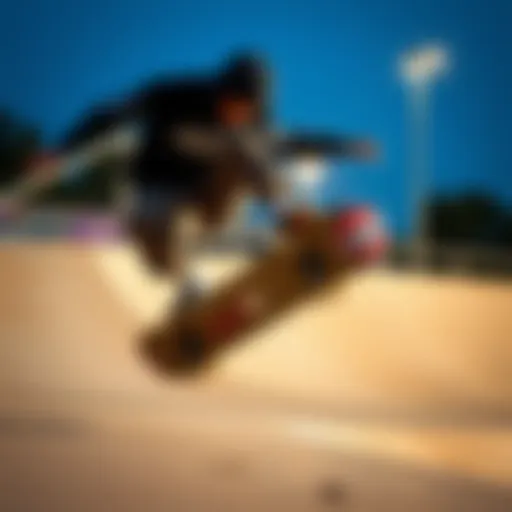
As we delve into this engaging topic, it's essential to acknowledge the tricks and styles that skateboarders often display, both on the streets and in their anime portrayals. The dynamic representation adds flair and depth to characters, cementing their connection to skateboarding.
Step-by-step Guides to Popular Tricks
Here’s a breakdown of a few iconic tricks that not only circulate in skateboarding communities but also pop up in animated skate scenes:
- Ollie: This fundamental maneuver can propel a skater into the air, clearing obstacles. To land your ollie:
- Kickflip: A staple in many animations, performing a kickflip steps up the game.
- Position your back foot over the tail of the board.
- Crouch down and prepare to jump.
- Press down on the tail with your back foot as you jump, dragging your front foot up towards the nose.
- Level out your board mid-air and bend your knees on landing.
- Set your feet similar to an ollie but with your toes hanging off.
- As you jump, kick your front foot off to the side while pressing down with your back foot.
- Snap the tail down and watch your board flip beneath your feet.
- Catch it on the way back down.
Common Mistakes and How to Avoid Them
Learning these tricks in both reality and animation can highlight common pitfalls:
- Wrong Foot Placement: This can cause the skater to lose balance. Ensure feet are positioned correctly before attempting.
- Lack of Commitment: Hesitation often leads to unsuccessful attempts. Trust your instincts and fully commit.
- Not Practicing Basics: New skaters should master foundational tricks before progressing to more advanced techniques.
In the anime realm, characters often overcome these very hurdles, showcasing growth that resonates with audiences willing to engage deeply with both skate culture and the animated narratives on their screens.
Gear and Equipment
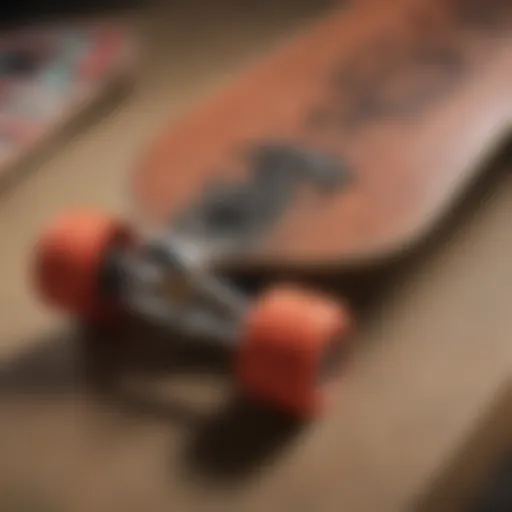
Exploring the technical side of skateboarding means diving into the gear and equipment that enable skaters to perform those jaw-dropping tricks. Just like the characters in anime, the tools of the trade play a significant role in shaping a skater’s journey.
Reviews and Comparisons of Skateboards and Accessories
When it comes to choosing a skateboard, various models cater to different styles, much like how different anime genres target varied audiences. Some notable brands include:
- Element Skateboards: Known for their durability and attractive designs, ideal for street skaters.
- Almost Skateboards: Popular for unique graphics and innovative construction.
For accessories:
- Independent Trucks: Renowned for their strength and smooth performance.
- Bones Wheels: A favorite among skaters for resilience and grip.
Essential Gear for Beginners and Advanced Skateboarders
Whether you’re starting out or seeking high-end upgrades, understanding your gear enhances performance. Essentials include:
- Helmet: Safety first! A well-fitted helmet protects against injuries.
- Skate Shoes: Specific shoes provide grip and support.
- Pads: Knee and elbow pads are super handy for beginners.
Ultimately, both anime and skateboarding craft narratives of perseverance and creativity. The tools and techniques skaters choose mirror the styles and stories exhibited in various anime shows, forming a rich dialogue between these two worlds. As these cultural domains continue to evolve, their intersection reveals an engaging narrative for current and future enthusiasts.
Prelude to Anime and Skateboarding
The intersection of anime and skateboarding is a fascinating topic that brings together elements from two diverse cultural backgrounds. This article aims to delve into the relationship between these worlds, showcasing how they influence each other and present shared themes. One might think, what do animated characters and skateboards have in common? The answer lies in their embodiment of freedom, creativity, and rebellion. This section introduces the significance of both anime and skateboarding, highlighting the unique blend of art and movement that each represents.
Defining Anime
Anime is a distinct form of visual art that originated in Japan, characterized by vibrant graphics, imaginative themes, and unique storytelling. Unlike Western animations, anime can encompass various genres, from action and adventure to romance and horror. Its ability to convey complex emotions through exaggerated character expressions and dynamic scenes sets it apart. For enthusiasts and casual viewers alike, anime serves as a reflection of societal norms, dreams, and struggles, often encapsulating contemporary issues in an engaging manner.
In contemporary culture, anime has transcended geographical boundaries. It has become a worldwide phenomenon, influencing not just entertainment but also fashion, music, and art. Young people often get drawn into this animated universe, where they find characters that resonate with their experiences and aspirations.
Moreover, anime's visual appeal plays a crucial role in drawing in audiences. The vibrant colors and inventive character designs capture imaginations, inviting viewers to experience vast and intricate worlds that speak to both individual and collective experiences.
The Essence of Skateboarding
Skateboarding, on the other hand, is not merely a sport or a pastime; it’s a cultural movement that captures the spirit of rebellion and independence. Born on the sun-kissed streets of California, it has evolved into a symbol of youth culture worldwide. Whether cruising down a sidewalk or mastering a trick in a skatepark, skateboarding reflects personal expression and creativity.
At its core, skateboarding is about freedom—freedom of movement, expression, and thought. Skaters don't just ride; they explore their surroundings, interpret urban landscapes, and transform them into playgrounds. This connection with the environment is palpable, as each city presents unique challenges and opportunities for skaters.
Furthermore, the ethos of skateboarding promotes community and inclusivity. Regardless of skill level, skaters unite through their shared love for the sport and its culture, often building lifelong friendships in the process. This sense of belonging is essential, making skateboarding a profound element of identity for many.
"Skateboarding isn’t just about doing tricks; it’s about finding your own path and pushing boundaries in life itself."
Both anime and skateboarding nurture cultures filled with vibrancy and individuality. By understanding these two artistic forms, one can appreciate how they illuminate the broader conversations about identity and creativity in our ever-evolving world.

Historical Overview of Skateboarding
Origins and Evolution
Skateboarding's origins can be traced back to the late 1940s and early 1950s, when surfers in California sought a way to practice surfing on land during flat surf days. These creative individuals used wooden boards, often outfitted with roller skate wheels, to approximate the feeling of riding ocean waves. By the 1960s, skateboarding began gaining traction beyond its surf roots. It turned into its own serious sport when companies like Makaha and Logan Earth Ski began mass-producing boards.
The 1970s brought significant innovations to skateboarding. The advent of urethane wheels transformed the ride quality, allowing skateboarders to execute far better tricks and maneuvers. This decade is often regarded as a golden age for skateboarding, with the formation of the first skateboarding competitions, like the National Skateboarding Championship, further fueling interest. Each era brought its own style and characteristics—be it the freestyle tricks of the '80s or the aggressive street skating of the '90s.
Through the years, skateboarding expanded globally. Its popularity soared in places like Japan, where a unique blend of hardcore street culture and artistic expression took off. This global spread of skateboarding set the stage for its vibrant presence in anime, influencing how characters are depicted in their journeys across this dynamic landscape.
Cultural Significance
Skateboarding's evolution speaks to more than just sport; it reflects a tapestry of youth culture, rebellion, and creative expression. In many ways, skateboarding is a reflection of the societal shifts occurring across the globe. It serves as both a physical activity and a lifestyle choice, promoting individuality in a world often dominated by conformity.
For young people, skateboarding becomes a powerful form of self-expression. The skateboard itself is a canvas for creativity—custom graphics and unique board designs stand as symbols of personality. The community built around skating fosters a sense of belonging and camaraderie, often resonating with themes found in anime, where characters grapple with their identities and desires.
"Skateboarding transcends mere sport; it's a cultural statement—a shout from the youth to carve out their identity."
In summary, skateboarding is more than just tricking on a board; its historical framework provides crucial insight into how it shapes identities and how it navigates cross-cultural waters. As we explore its influence in anime and beyond, understanding its roots is vital—not just for skaters, but for anyone interested in the intertwined cultures of skateboarding and anime, revealing a shared ethos of creativity, freedom, and self-discovery.
The Emergence of Skateboarding in Anime
The emergence of skateboarding in anime is not just a passing trend; it’s a significant phenomenon that intertwines two vibrant cultures. The fusion of skate culture and anime creates a unique milieu that captures the imagination of fans and newcomers alike. This section sheds light on the essence of skateboarding as depicted in various anime series, reflecting the parallels between these two subcultures and their impact on identity construction and youth representation.
Anime Titles Featuring Skateboarding
Anime has given rise to several notable titles that showcase skateboarding, enriching the narrative and bringing the sport to the forefront of popular culture. Occasionally, these shows don’t just feature skateboarding as an activity but use it as a plot device to convey deeper themes. Consider "Skate-Leading Stars", focusing not just on the physicality of skateboarding but also on teamwork and resilience.
"No. 6", though primarily a dystopian story, incorporates skateboarding to symbolize rebellion against oppressive societal norms. Characters utilize their skateboards as a way to escape their sterile environments, mirroring the real-life sense of freedom that skaters often seek.
Here’s a list of some key anime titles featuring skateboarding elements:
- "Sk8 the Infinity": A vibrant portrayal of the underground skate culture with characters from diverse backgrounds navigating their friendships through competition.
- "Air Gear": This series elevates skateboarding into a futuristic realm, blending urban sports with fantastical elements.
- "Kakegurui": While not solely about skateboarding, it features characters that utilize skating as a method of expression and thrill.
These titles have sparked conversations around the sport and its representation in media, thus emphasizing skateboarding's cultural significance.
Impact on Youth Representation
The representation of skateboarding in anime serves as a mirror to the youth's aspirations and struggles. For many adolescents, skateboarding represents not just a sport but a lifestyle imbued with freedom, rebellion, and self-expression. In anime, this comes through vividly, allowing characters to develop and grow through their skateboarding experiences.
In a world often dominated by school pressures and social expectations, anime constructs a relatable narrative framework through its skateboarding content. Characters like Reki from "Sk8 the Infinity" personify the teenage struggle, balancing aspirations with the authentic pulse of skate life. Here, the joy of skating acts as an antidote to the heavy burden of expectations, showcasing how sports can foster a sense of community and belonging.
Moreover, the portrayal of young skaters often challenges the stereotypes associated with adolescents. Rather than depicting them solely as troublemakers, these works explore their journeys, urging viewers to appreciate the nuanced lives that exist beyond their skateboards.
Visual Aesthetics of Skateboarding in Anime
The visual presentation in anime, especially concerning skateboarding, plays a pivotal role in how audiences perceive both cultures. When skateboarding is depicted in anime, it is not just about the act of riding on a board; it extends into a flavorful intersection of art styles, motion techniques, and character expressions. Each frame can encapsulate the rush of adrenaline that skaters typically experience. The vibrant visual choices allow viewers to feel the thrill and energy of skateboarding as if they were right there alongside the characters.
Art Styles and Techniques
Anime showcases various art styles, from minimalistic outlines to exuberant colors. This variety allows anime artists to express skateboarding in numerous ways.
- Dynamic Lines and Movement: Artists employ techniques like speed lines to simulate motion, giving viewers a sense of fast-paced action during skating scenes. The way these lines are drawn can mimic the sweat of effort or the exhilaration of a trick.
- Vivid Color Palettes: Bright and contrasting colors characterize many anime. These colors often enhance scenes of skateboarding, adding a high-energy backdrop that matches the excitement. A sunset might bathe a skater in brilliant shades while they perform a trick, adding drama and viewability.
- Perspective and Angles: The choice of perspectives—be it a low angle looking up at the skateboarder or a bird's-eye view showcasing the landscape—captures the essence of skate culture. Artists can create a sense of height and danger, reflecting skateboarding's spirited risks.
Different genres of anime utilize these elements in varying degrees. For instance, urban-themed shows might lean towards gritty styles that reflect the often raw nature of street skating, whereas fantasy anime could incorporate more abstract methods to showcase the fantastical elements of skateboarding.
Character Design and Skateboards
Character design in anime often mirrors the personality of the skater and the broader skate culture. The look of characters who skateboard is deeply influenced by the skateboard itself.
- Unique Board Designs: Each skateboard can tell a story. Colors, patterns, and stickers often reflect the skater's personality or interests. Some boards may feature anime-inspired graphics, merging both cultures further.
- Attire and Accessories: The clothing and accessories of characters often reflect contemporary skate fashion. Baggy jeans, graphic tees, and sneakers become visual cues that resonate with authenticity in the skateboarding world.
- Facial Features and Expressions: Artists often exaggerate expressions, showcasing the thrill or fearlessness of the skater. An intense focus on a character’s face as they prepare for a tricky maneuver can evoke connection and empathy from viewers.
In summary, the visual aesthetics of skateboarding in anime go beyond mere representation. They encapsulate life, excitement, and community while fostering an emotional connection that resonates with fans. As anime continues to evolve, so too will the artistic interpretations of skateboarding—making this seeing it not just an expression of culture, but an art form in its own right.
"Art is not what you see, but what you make others see." – Edgar Degas
Through the lens of animation, both skateboarders and anime enthusiasts can find common ground, celebrating individuality and creativity while contributing to a shared cultural narrative.
Thematic Elements Linking Anime and Skateboarding
The nexus between anime and skateboarding highlights a shared ethos that resonates deeply within both cultures. This section explores the thematic elements linking these two worlds, emphasizing how they represent notions of freedom, rebellion, community, and belonging. Understanding these connections illuminates the ways in which anime not only portrays skateboarding but also mirrors the feelings and experiences of those who participate in this culture, making it a significant subject for exploration.
Freedom and Rebellion
In both anime and skateboarding, freedom is a central theme that often finds expression in various forms. For skaters, the act of riding—whether on the smooth pavement of a city street or a grungy skate park—embodies a sense of liberation. Skaters often seek out untouched spaces, making their own rules and pushing boundaries, and this mirrors a common motif in anime where protagonists strive against societal constraints.
Characters in shows like "Skate-Leading Stars" showcase this fearless spirit as they battle not only opponents but also their own self-doubt. They leap off ramps and perform daring tricks, encapsulating the thrill of seizing freedom. Moreover, the rebellious nature of skateboarding comes through in its very defiance of conventional sports rules, paralleling the fight against conformity in many anime narratives.

- Individual Expression: In skateboarding, every trick is an extension of personal style. Similarly, anime characters often develop unique identities throughout their journeys, reflecting personal struggles and aspirations.
- Societal Critique: Just as skaters may find themselves challenging local authorities or societal norms, anime often delves into social commentary through its characters, portraying rebellion against an oppressive system or outdated traditions.
This connection not only celebrates the core values of self-expression and defiance but also taps into a broader cultural appreciation of what it means to be an outsider. By fusing these ideas, both skateboarding and anime cultivate a world where individuals can break free from the confines of expectation and explore their true selves.
Community and Belonging
Just as much as freedom defines skateboarding and anime, so does the concept of community. Both cultures foster a sense of belonging that resonates with their participants. For numerous skaters, the skate park becomes a second home, a place where friendships are forged and collaborations blossom, much like how fans of anime congregate in conventions or online forums.
In shows such as "Devilman Crybaby," the theme of community is essential. Characters navigate complex relationships while grappling with their identities. The friendships formed amidst struggles evoke similar aspects found in skateboarding, where fellow skaters support one another through shared experiences of triumph and failure.
- Shared Experiences: The storytelling aspect is rich in both mediums, allowing individuals to relate to each other. Many young skaters turn to anime not only for entertainment but also for a reflection of their own lives and challenges.
- Inclusive Spaces: Skating communities often celebrate diversity, welcoming individuals from all backgrounds. This is echoed in anime’s expanding representation of characters, fostering a sense of belonging amongst fans who may not see themselves in mainstream media.
With both worlds continually evolving, the convergence of community in skateboarding and anime enriches culture by inviting a larger audience to partake in the creativity and collaboration that define each space. The importance of this sense of belonging cannot be overstated, as it lays the foundation for mutual support and shared passions, enhancing the experience for skaters and anime lovers alike.
In summary, the intersection of anime and skateboarding captures the essence of freedom and community, highlighting their deep-seated connections that resonate with fans and practitioners alike. By exploring these thematic elements, we understand not just the individual journeys of characters or skaters but also the larger narrative of collective identity and aspiration that binds them together.
As we move forward, we’ll delve into notable characters in anime who embody these qualities, further illustrating the impactful relationship between these two layers of culture.
Notable Characters in Anime with Skateboarding Traits
The world of anime is rich with diverse characters, each embodying unique traits and experiences that resonate with viewers. Among them, characters with skateboarding traits hold a special place within the narrative landscape, bridging the gap between cultural expression and personal identity. These characters are often not just skaters; they are intricately woven into the themes of adventure, rebellion, and camaraderie that define both skateboarding and anime culture. The significance of exploring these notable figures is manifold, as it highlights the intertwining of art forms and the values they promote in their audiences.
From deep-rooted friendship dynamics to the confrontations that push the narrative forward, the journeys and conflicts faced by these characters reflect a larger story about growth and belonging. Let's delve into the protagonists and antagonists that illustrate this connection, showcasing how skateboarding acts as a critical vehicle for character development.
Protagonists and Their Journeys
In various anime series, protagonists who skate often embark on journeys filled with challenges that test their resolve. For instance, take the character of Kensuke from the series Air Gear. As an aspiring skater, Kensuke navigates the complexities of friendship, competition, and personal ambition. His journey isn’t merely about mastering tricks but also understanding the deeper meanings of teamwork and resilience. Characters like him often serve as inspirational figures, driving home the message that skateboarding is not just about the act itself, but also about the relationships and experiences it fosters.
Moreover, consider Kyouka from Sk8 the Infinity. She represents a blend of skill, determination, and discovery. Kyouka's skater identity involves not just athletic prowess but also grappling with her identity and aspirations. Her story resonates with many young adults who view skateboarding as a means of self-exploration and a way to connect with like-minded individuals. This relatability magnifies her impact, as viewers see themselves in her struggles and triumphs.
The journeys of these protagonists often serve to elevate the narrative, allowing audiences to reflect on their paths and the rollercoaster of emotions that come with pursuing one's passions.
Antagonists and Conflicts
Contrasting the protagonists, the antagonists in these narratives often pose significant obstacles, challenging the protagonists both physically and mentally. The character Ricky from Bakugan Battle Brawlers exemplifies an antagonist rooted in rivalry. By positioning himself as a formidable skater, he sets off a series of conflicts that push the main character to exceed their limits. This dynamic showcases how competition in skateboarding can drive characters to evolve, all while highlighting the often thin line between rivalry and respect in the sporting world.
Additionally, there’s Mizuki from Kono Oto Tomare! who serves as an interesting contrast. Her character initially appears as a traditional antagonist, emphasizing the struggles of a closed-off environment where skaters conflict with others outside their culture. Her presence in the story illustrates not only a barrier but also an opportunity for growth—both for herself and the protagonists who seek to unite their diverse communities through skateboarding.
In essence, these conflicts are pivotal, as they add layers to the story, enabling viewers to engage with the moral complexities that arise from competitive spirit and personal aspirations.
"Skateboarding is often seen as an expression of individuality, a sentiment reflected through the complex portrayals of characters in anime."
The tales of protagonists and antagonists within anime not only entertain but also prompt meaningful discussions about identity, community, and the challenges faced in the pursuit of freedom through skateboarding. As the narratives unfold, they invite skaters, enthusiasts, and casual viewers alike to engage with the deeper implications of these characters and their journeys.
The Role of Skateboarding in Character Development
The incorporation of skateboarding into character arcs within anime serves as a powerful storytelling device. Skateboarding, with its rich subtext of freedom and rebellion, often mirrors the emotional and psychological developments of the characters. In a nutshell, the sport is not just a hobby but a medium through which characters can express their struggles, aspirations, and transformations.
Transformation Through Skateboarding
Skateboarding acts as a catalyst for many characters as they navigate their personal journeys. It breaks down barriers, pushing characters to confront their insecurities, fears, and frustrations. For instance, consider a common trope in anime where a timid character finds confidence through mastering a trick or shredding some pavement. This transition reflects a deeper transformation, stemming from not only the physical prowess gained through skating but also the emotional strength cultivated during the process.
In various series, we see this thread woven into the story: a protagonist might begin as an outcast, perhaps bullied or ignored by peers. As they delve into the world of skateboarding, they forge connections with others who share their passion. This newfound camaraderie fosters a sense of belonging and bolsters their self-esteem. Their skateboarding skills, which develop from countless falls and failures, ultimately mirror their growth as individuals, emphasizing resilience and perseverance.
"Skateboarding is to the skateboarder what a sword is to a samurai. It is the means through which they find themselves and their place in the universe."
Moreover, skateboarding often symbolizes rebellion against societal norms. Characters that embrace skate culture might struggle against parental expectations or rigid school structures, using skateboarding as an outlet for expression. This theme resonates with many viewers, showcasing that the journey of self-discovery is often littered with obstacles, both on and off the board.
Skill Mastery and Personal Growth
Throughout the journey of learning to skate, characters experience both triumphs and tribulations. The act of mastering a difficult maneuver requires patience, discipline, and continuous effort—qualities that parallel personal growth in real life. As these characters improve their skills, they often display increased determination and focus in other aspects of their lives.
In anime, this mastery serves to underscore key messages about dedication and hard work. The characters may face setbacks, whether it’s crashing onto the pavement or struggling against a rival. Each setback becomes a stepping stone, contributing to their overall development. The thrill of landing a new trick is not just about the physical act; it symbolizes the accumulation of the struggles and the lessons learned along the way.
To highlight the skills developed through skateboarding, consider the character Shō in Sk8 the Infinity. His relentless drive to improve and eventually succeed against seasoned skaters showcases how the sport enhances his determination, not only in skating but in his personal life as well.
This connection between skill mastery and personal growth impacts viewers; they see reflections of their own experiences. Skateboarding often becomes a metaphor for life's challenges—falling down but always having the choice to get back up. This narrative resonates deeply with skaters and non-skaters alike, laying a foundation for shared experiences and universal themes that are explored through the lens of anime.
Certain anime even depict figurative skateboards as symbols of identity, showing how attachment to this sport can shape one’s character. For example, when a character finds joy in skating, they embrace their individualism, stepping out of the shadows of conformity.
Overall, the role of skateboarding in character development is multifaceted; it catalyzes transformation, cultivates skill mastery, and ultimately contributes to the characters’ growth, making their journeys relatable and impactful to the audience.
For more insights into the relationship between skateboarding and character development, check out these resources:
- Wikipedia on Skateboarding
- Britannica on the Cultural Impact of Skateboarding
- Reddit forums on Skateboarding in Anime
Cross-Cultural Influence of Anime and Skateboarding

The connection between anime and skateboarding embodies a rich tapestry of cultural exchanges that extend beyond borders. Through examining this relationship, one can discern how both cultures encapsulate a spirit of innovation and rebellion. The influence of each sector not only nourishes the other's growth but also serves as a bridge connecting diverse communities across the globe.
Global Reach of Skateboarding Culture
Skateboarding is not just a sport; it has morphed into a global movement. Originating from the beaches of California in the late 20th century, skateboarding quickly became a pastime that resonated with youth worldwide. The eclectic nature of skateboarding breaks down societal barriers and cultivates an inclusive atmosphere where everyone is welcome to express themselves, irrespective of their backgrounds.
The adoption of skateboarding across continents is marked by regional flair. From Japanese skaters incorporating traditional elements into their style to Brazilian skaters infusing samba rhythms into their skating sessions, each culture adds layers of uniqueness.
- Key Characteristics of Global Skateboarding Culture:
- Inclusivity: Everyone is welcome, and skill level doesn't matter.
- Innovation: Skaters continuously push boundaries, inventing new tricks.
- Community Spirit: Local skate parks often serve as cultural hubs.
Thus, whenever skateboarding makes its mark in a new locale, it does so by intermingling with local customs and practices, creating a vibrant cultural exchange. Social media platforms like Instagram or YouTube have further expanded skateboarding's horizon, allowing skaters to share their art and skill sets, regardless of their geographical limitations.
Anime’s Influence on Western Skateboarding Art
Anime serves as a significant source of inspiration for many artists within the skateboarding community, particularly in the West. The colorful aesthetics and dynamic character designs seen in anime permeate skate art, allowing for eye-catching graphics that resonate with skaters and anime fans alike. As skateboarding has risen in popularity, its connection to anime has deepened, showing a noticeable change in the visual representation of skate culture.
Many independent brands and artists have integrated anime elements into their skateboard decks, apparel, and merchandise. Titles such as Akira or One Piece influence everything from logos to characters' portrayals on the boards themselves. These designs often reflect a hybrid identity that blends skateboarding's rebellious spirit with anime's creative storytelling.
The impact of anime on Western skate culture isn't limited to visuals alone; it has expanded to themes and narratives. An increasing number of skaters are adapting motifs familiar in anime into their own stories, pushing the envelope on what it means to belong to the skateboarding world while drawing parallels to intriguing anime story arcs.
"Skateboarding and anime offer a unique lens to understand youth culture; each encourages breaking norms and embracing individuality."
Community and Identity in Skateboarding and Anime
The intersection of skateboarding and anime creates a vibrant tapestry of community and identity that celebrates both shared passions and personal expression. In this space, communities form organically, where people come together on the platform of skateboarding while drawing inspiration from the expressive narratives found in anime. Understanding these social dynamics provides invaluable insight into why both cultures resonate so deeply with their enthusiasts.
Fan Cultures and Fandom
Anime and skateboarding each foster unique fan cultures that overlap in intriguing ways. These fandoms often transcend geographical barriers, uniting individuals with similar interests and passions.
- Online Communities: The rise of digital platforms has transformed how fans interact. Websites like Reddit offer subreddits where skateboarders can discuss their favorite anime shows or characters ensconced in skate culture. Similarly, social media platforms such as Facebook feature groups dedicated to this unique blend, allowing fans to share videos, artwork, and experiences.
- Events and Gatherings: Conventions and skateboard competitions often showcase both anime and skateboarding, creating a melting pot of enthusiasts. Whether it’s attending Anime Expo or the X Games, fans flock to these events not only to celebrate their respective interests but to forge connections and friendships.
- Merchandising and Collectibles: The market for merchandise is robust in both cultures. Skateboards adorned with anime art, graphic tees featuring famous characters from skate-centric anime are just the tip of the iceberg. Collectors obsess over limited editions and exclusive drops, forging their own identities within these communities.
"Fandoms fuel creativity and give life to friendships that may not have happened otherwise. They make the world feel smaller, uniting people over passions."
Skateboarding as a Subcultural Identity
Skateboarding has always been more than a sport or hobby; it embodies a way of life that values freedom, individuality, and rebellion against the norm. Within this sphere, skateboarding has become a critical part of personal identity for many.
- Expression Through Skating: Each skater develops a unique style, both on and off the board. From tricks to fashion, expression is limitless. This self-expression aligns closely with the narrative styles in anime, where characters often confront their identity, social status, or personal challenges.
- Cultural Connection: For many young people, skateboarding represents a form of resistance to mainstream culture. Just like anime characters, skaters often embrace their quirks and differences, creating a vivid sense of belonging within a subculture that champions authenticity.
- Inclusivity in Diversity: Skateboarding has evolved to welcome individuals from all walks of life – a notion paralleled in anime which celebrates diverse character designs and story arcs. This inclusivity fosters a sense of community that resonates with those who may feel disengaged from traditional societal structures.
This connection between anime and skateboarding culture showcases how community flows through shared experiences and identities. When fans hop on a skateboard or engage with an anime series, they connect with something far larger than themselves, contributing to a collective experience that evolves over time.
The Future of Anime and Skateboarding
The intersection of anime and skateboarding represents an ever-evolving cultural dialogue. As both mediums continue to thrive, their trajectories hint at exciting developments. Understanding the future of these two adjacent worlds can offer valuable insights into their continued relevance and impact on youth culture.
The significance of exploring the future of anime and skateboarding boils down to several key elements: innovation in artistic representation, evolving community dynamics, and expanding global reach. Each of these factors contributes to a rich tapestry of creativity, identity, and跨文化 engagements that are critical in shaping how these cultures influence one another.
Emerging Trends in Anime Depictions
In recent years, we have seen a marked transformation in how skateboarding is depicted in anime. Traditionally envisioned as a rebellious pursuit, contemporary portrayals are beginning to embrace more nuanced narratives. There’s a noticeable shift towards integrating skateboarding with everyday life, emphasizing its role as both a sport and a means of personal expression.
For instance, newer titles like "Sk8 the Infinity" depict the sport not just as a competitive activity but as a critical part of character development and social interaction. This aligns with the growing trend of recognizing the social implications of skateboarding, such as community building, inclusivity, and the diversity of styles among skaters. With characters from various backgrounds, these narratives enrich the storytelling experience and make the cultures more relatable to wider audiences.
- The incorporation of female skateboarders in leading roles, showcasing empowerment and breaking stereotypes.
- Varied art styles that appeal to different demographics, drawing in viewers who might not typically engage with skate culture.
- Developing plotlines that tackle real-life issues including mental health, identity formation, and the challenges of adolescence.
Potential Collaborations and Influences
Collaboration between anime studios and skate brands presents a promising path for the future. As both industries begin to recognize the overlap in their fan bases, partnerships could amplify their cultural resonance. Imagine a skateboarding series produced by an established anime studio, enriched with authentic input from professional skaters. Such collaborations can lead to a marketing synergy that resonates on multiple levels.
Furthermore, the tattooed and urban aesthetics characteristic of skate culture offer a fertile ground for artistic innovation in anime. Characters adorned with streetwear and unique skateboard designs could push the boundaries of traditional anime aesthetics, attracting fans from both communities.
- Collaborations between anime creators and skate brands like Element or Baker can result in exclusive merchandise, further bridging the gap between both cultures.
- Events such as pop-up skate parks that feature anime themes could easily capture public interest, making it an entertaining blend of both worlds.
- Online platforms, including social media and streaming services, serve as ideal stages for successful cross-promotions between skate culture and anime fandom.
Epilogue: The Synergy of Two Cultures
The junction between anime and skateboarding reflects a significant blend of artistic expression, identity, and community values. Both cultures draw from a rich tapestry of experiences and ideals, offering unique perspectives that resonate deeply with their respective audiences. Understanding this synergy not only enriches our appreciation for both mediums but also highlights important, broader cultural trends that shape today’s youth.
Reflecting on Shared Values
At the heart of both anime and skateboarding lies a quest for freedom. Riders and characters alike embody a spirit that seeks to break through conventional boundaries, whether it's through gravity-defying tricks or vibrant storytelling. The notion of pushing limits, both physically and metaphorically, resonates strongly within both camps.
Moreover, the theme of community is prominent throughout these cultures. Much like a skate park serves as a hub for skaters to gather, share, and evolve their skills, many anime narratives delve into strong friendships, loyalty, and the journey taken together. These shared values cultivate a sense of belonging, forming a narrative basis that encourages acceptance and support in both scenes.
Continuing the Dialogue between Anime and Skateboarding
As we look toward the future, the ongoing dialogue between anime and skateboarding unveils a fertile ground for collaborations, cross-references, and innovations. The inclusion of skateboard elements in anime, and vice versa, brings fresh perspectives and creativity to both fields. Emerging trends in animation techniques, storytelling formats, and even skateboarding styles signal potential partnerships that can further intertwine these cultures.
Encouraging creators from both domains to engage with each other will likely lead to new narrative experiences and visuals. Whether it is artists drawing inspiration from skate culture or skaters expressing their lives through animated storytelling, the interchange fosters growth and evolution.
The intersection of these two cultures reminds us that creativity knows no bounds. With each new generation stepping onto both the board and screen, the legacy of anime and skateboarding morphs and adapts, ensuring a lasting impact on future enthusiasts.